Charting Advancement Pathways Through Multi-Game Reward Systems in Regulated Digital Gambling Spaces
Written by Uma Schwarz · May 17, 2026
Charting Advancement Pathways Through Multi-Game Reward Systems in Regulated Digital Gambling Spaces
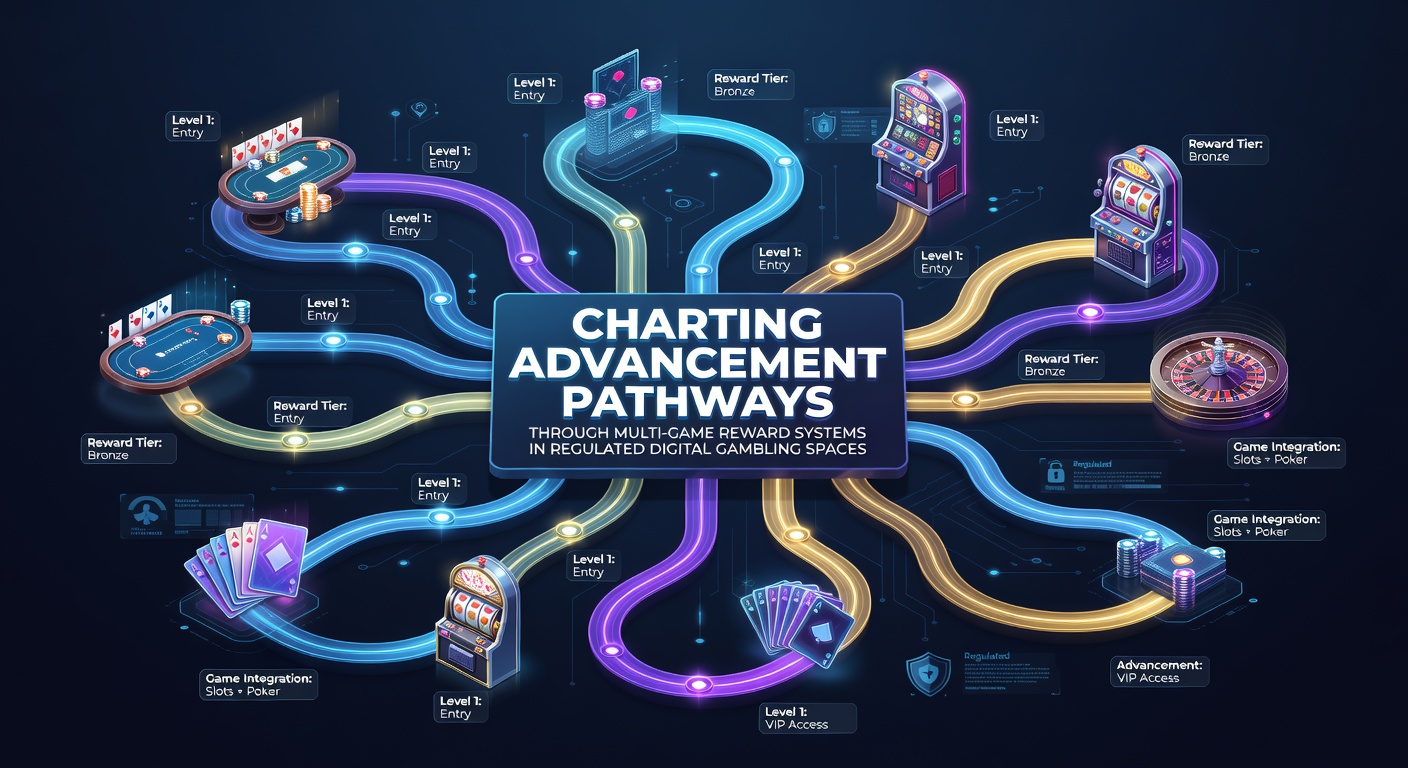
Regulated digital gambling spaces have developed intricate multi-game reward systems that link participation across slots, live dealer environments, and sports betting modules into single advancement frameworks. These structures allow players to accumulate progress points that unlock tiered benefits, and operators maintain compliance through built-in audit trails that satisfy licensing conditions in multiple jurisdictions.
Core Mechanics of Cross-Vertical Progression
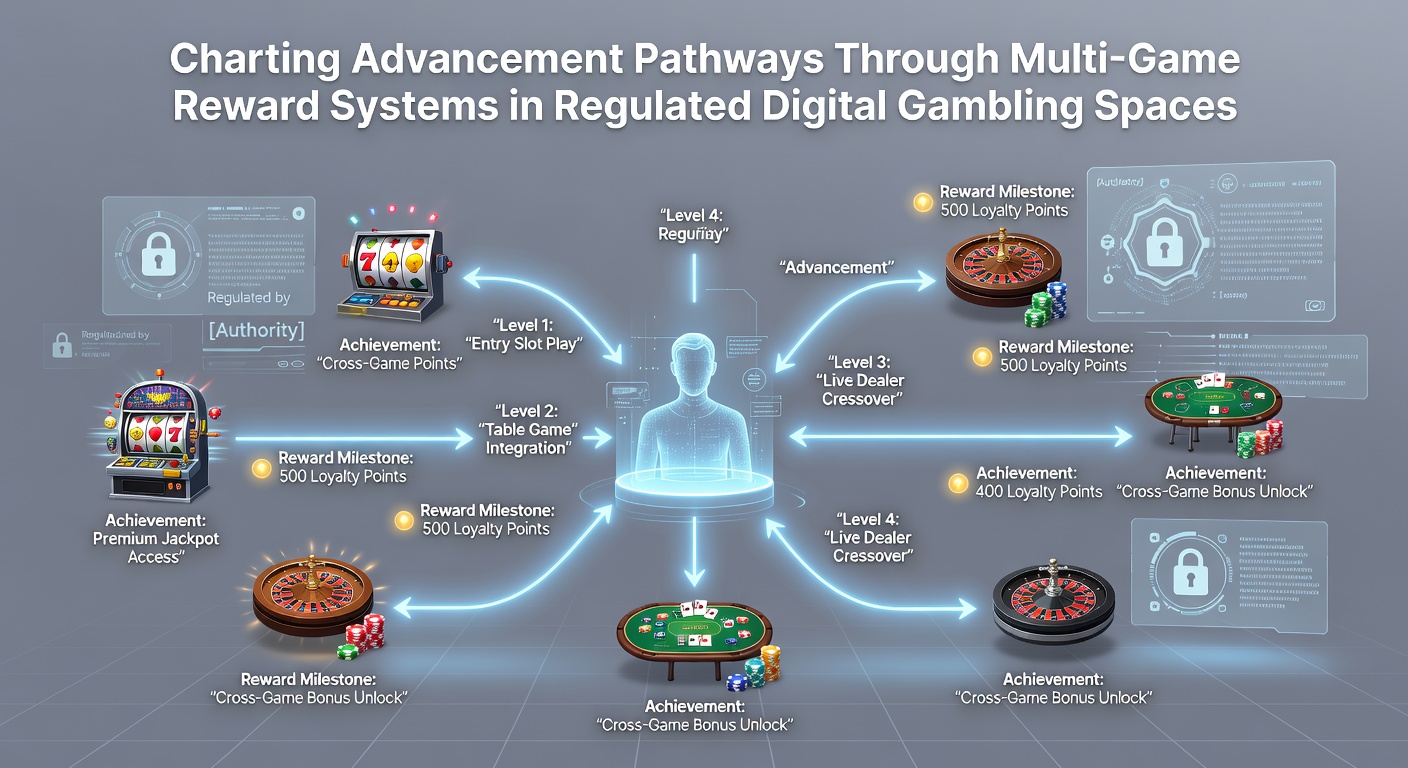
Players earn unified loyalty units when they engage with different game categories on the same platform, and these units convert into status levels that grant access to personalized reward schedules. Data shows that platforms tracking activity across verticals report higher retention metrics because participants see clear routes from initial deposits to higher-tier privileges such as reduced wagering thresholds and priority access to new releases. Observers note that integration of real-time dashboards helps users monitor their advancement without switching between separate casino and sportsbook accounts.
Systems often apply weighted multipliers based on game type so that sports wagers and table game rounds contribute differently to overall progress, while slot sessions add volume-based increments. This calibration prevents any single category from dominating the pathway and encourages balanced participation that aligns with regulatory expectations for responsible play features.
Regulatory Frameworks Shaping Advancement Tracks
Licensing authorities require transparent documentation of how reward points flow between game types, and operators must demonstrate that progression mechanics do not encourage excessive play. The New Jersey Division of Gaming Enforcement publishes guidelines that cover the technical standards for point conversion rates and audit logs, ensuring every advancement step remains traceable back to individual player actions. Research from academic teams at the University of Nevada, Las Vegas has examined these systems and found that clear disclosure of rules correlates with lower rates of player complaints across multi-game environments.
In May 2026 several North American and European regulators plan to introduce updated reporting templates that standardize how operators disclose cross-category reward calculations. These templates will require quarterly submissions detailing point accrual rates, redemption volumes, and any adjustments made to maintain fairness across player segments.
Technology Enabling Seamless Pathways
Backend platforms now employ unified player accounts that aggregate activity from mobile apps, desktop clients, and live dealer studios into one ledger. API connections between game providers allow instant updates to loyalty balances, and encryption protocols protect transaction records while permitting regulators to review data on demand. Industry reports indicate that platforms using centralized ledgers experience fewer reconciliation errors when players move between slots and sports betting interfaces within the same session.
Artificial intelligence modules analyze behavioral patterns to suggest next steps in the advancement pathway, such as recommending a live dealer session after a series of sports bets to maintain momentum toward the next tier. These suggestions remain optional and operators must include clear opt-out functions to meet responsible gambling standards enforced by bodies like the Alcohol and Gaming Commission of Ontario.
Player Journey Examples in Regulated Markets
Consider a participant who begins with slot play and accumulates enough points to reach a mid-tier status that reduces the house edge on select table games. After switching to sports betting, that same status level unlocks enhanced odds on specific markets while preserving the original point balance. Case studies compiled by platform analytics teams reveal that users who follow these linked pathways tend to extend their overall engagement periods compared with those who remain within one vertical.
Operators frequently publish milestone maps that illustrate how many points are needed to move from bronze to silver status and what benefits activate at each stage. These maps must receive pre-approval from regulators in most licensed markets, ensuring the advertised advancement routes match the actual system logic.
Conclusion
Multi-game reward systems in regulated digital gambling spaces create measurable advancement pathways that connect diverse gaming activities into coherent progression structures. Continued regulatory updates scheduled for 2026 will further standardize disclosure and technical requirements, while operators refine their platforms to support transparent, auditable player journeys across all verticals.