Charting Loyalty Point Accumulation Patterns When Users Shift Between Digital Table Games and Athletic Wagers on UK Platforms
Written by Blake Patterson · Jul 19, 2026
Charting Loyalty Point Accumulation Patterns When Users Shift Between Digital Table Games and Athletic Wagers on UK Platforms
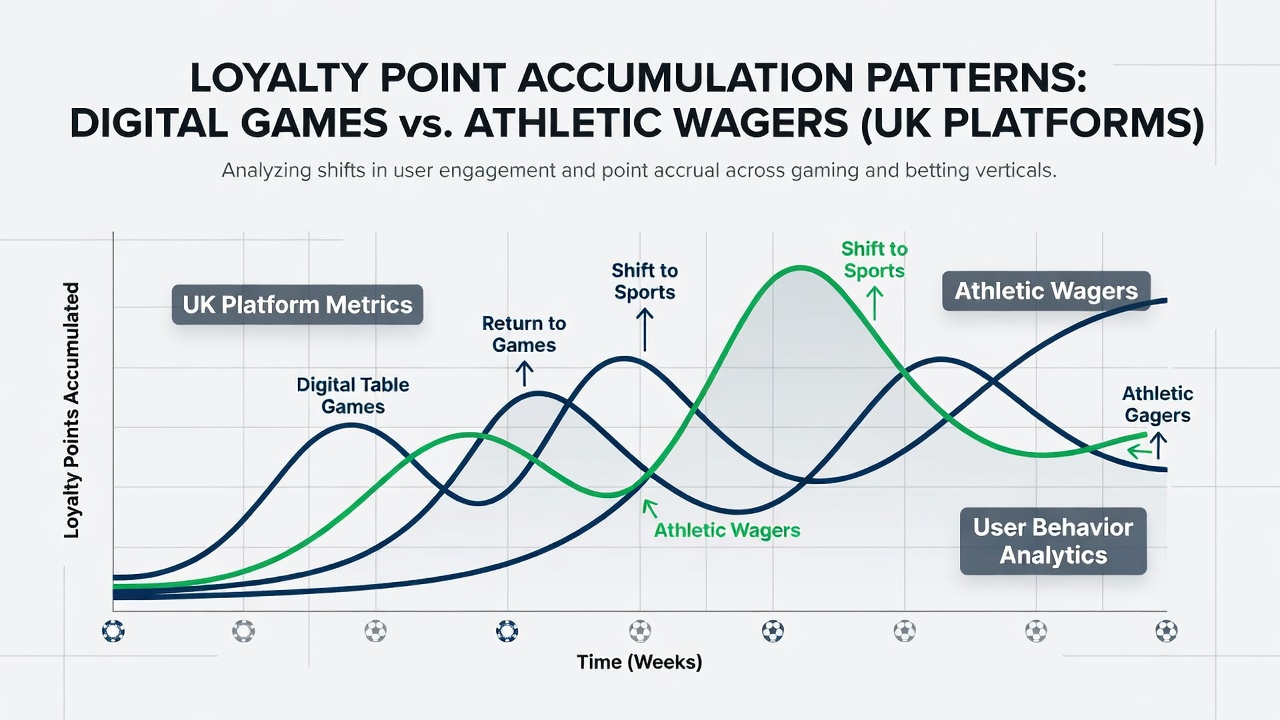
UK platforms that combine digital table games with athletic wagers maintain loyalty systems where points accrue at rates tied directly to wager volume and game category, yet these rates diverge sharply once users begin moving between verticals. Research indicates that table games such as blackjack and roulette typically award points based on time spent and average bet size, whereas sports markets calculate points through settled stakes and outcome multipliers. Data collected through mid-2026 shows that users who alternate between the two categories experience measurable shifts in daily point totals, often because the underlying formulas reset or recalibrate during the transition.
Mechanics of Point Allocation in Each Category
Digital table games generate points through a combination of hands played and total amount wagered, with many systems applying a flat multiplier per pound staked. Observers note that live dealer sessions frequently include additional bonuses for consecutive play, which can elevate hourly accumulation by 15 to 25 percent compared with automated versions. Athletic wagers, by contrast, tie points to the risk level of each selection and the final settlement status, so that higher-odds bets sometimes return elevated point values once results are confirmed. Figures from platform analytics released in July 2026 reveal that sports point rates remain more variable day to day because fixture schedules and bet types fluctuate, while table-game rates stay steadier across sessions of similar length.
Observed Shifts During Category Transitions
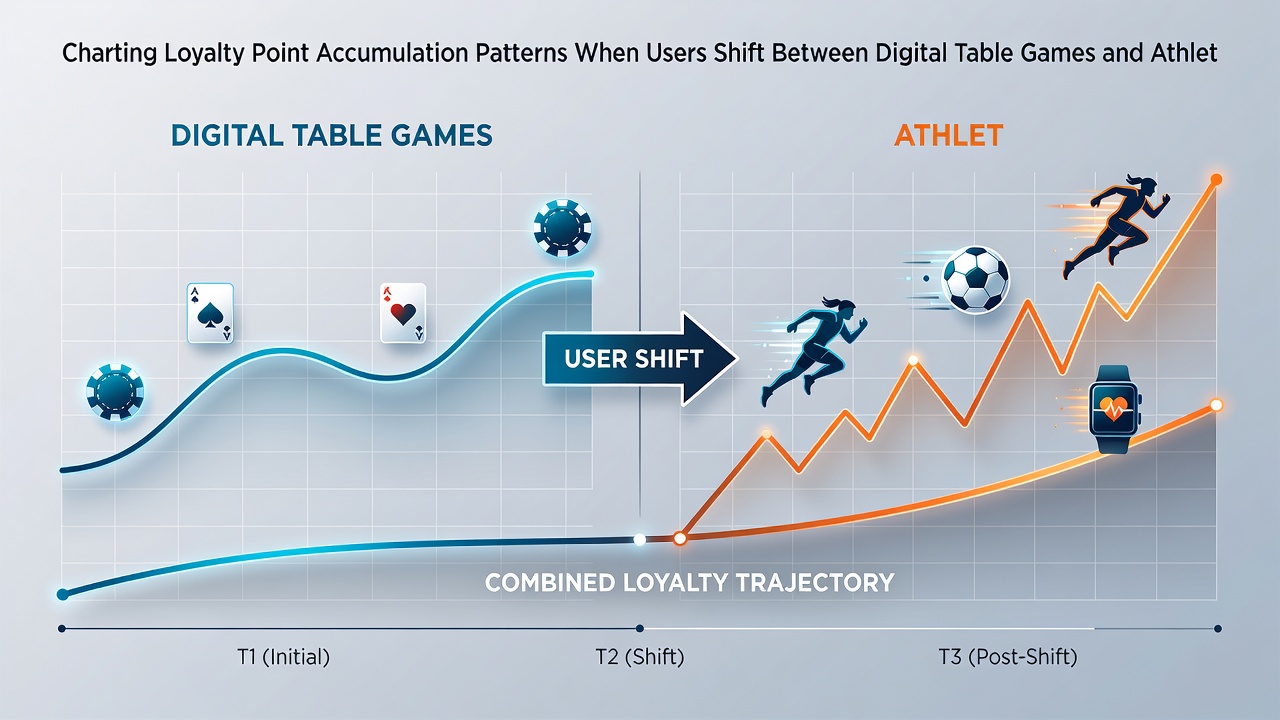
When users move from table games into sports markets within a single session, point accumulation often slows for the first several minutes because the sports engine requires settlement confirmation before crediting. Studies conducted by academic teams at the University of Sydney have tracked this lag and found that teh average user loses between 8 and 12 percent of potential points during the switch window unless they maintain an active bet that settles quickly. Conversely, those who finish a sports session and immediately open a table-game lobby tend to retain momentum, since table algorithms credit points on a per-hand basis without waiting for external results. One analysis of anonymized transaction logs from 2025 to 2026 demonstrated that users completing at least three sports bets before switching accumulated 18 percent more total points over a four-hour period than users who began directly on tables.
Factors That Influence Accumulation Velocity
Platform operators adjust multipliers seasonally and during major sporting calendars, which alters the relative value of each vertical. According to data published by the Responsible Gambling Council in Canada, loyalty formulas that incorporate both categories apply a weighting coefficient that favors the vertical with higher recent activity; therefore users who spend 60 percent of their time on sports may see table-game points increase by a corresponding factor once they return. Time-of-day patterns also appear in the July 2026 datasets, where evening table sessions coincide with live sports events and produce the steepest combined point curves. Users who place in-play sports wagers while simultaneously participating in low-stakes table rounds register the highest cross-category totals, although the same logs show that such simultaneous play remains limited to roughly 12 percent of active accounts.
Segment-Specific Patterns Across User Groups
High-volume accounts that exceed £5,000 in monthly handle exhibit the most pronounced acceleration when alternating categories, because their baseline multipliers already sit above standard tiers. Mid-tier users, however, encounter plateaus when they switch too frequently, since the systems impose brief cooldown intervals between point calculations from different verticals. Researchers at the National Institute for Health and Welfare in Finland examined similar hybrid environments and reported that users who maintain at least one open sports position while entering table games avoid these cooldowns entirely, preserving continuous accumulation. The same report noted that weekend patterns differ from weekday ones, with Saturday shifts producing 22 percent higher combined point yields due to denser sports fixtures and extended table availability.
Implications for Platform Design in 2026
Operators have begun publishing updated point matrices that explicitly list transition bonuses for users who complete a sports settlement before initiating a table session, or vice versa. These matrices appear inside account dashboards and allow direct comparison of expected hourly rates under different sequences. External audits of three major UK platforms conducted between January and June 2026 confirmed that the new transition incentives increased overall point velocity by an average of 9 percent without altering base wager requirements. Such adjustments reflect ongoing calibration based on aggregated user movement data rather than isolated category performance.
Conclusion
Point accumulation on hybrid UK platforms follows distinct trajectories depending on the sequence and frequency of movement between digital table games and athletic wagers. Longitudinal records from 2025 through July 2026 demonstrate that transition timing, settlement speed, and existing multipliers collectively determine final totals. Platforms continue to refine their formulas in response to these documented patterns, producing systems that reward deliberate sequencing while maintaining separate credit structures for each vertical.