Charting Match Multipliers Against Event Calendars in Regulated British Platforms
Written by Drew Schmitz · Jun 12, 2026
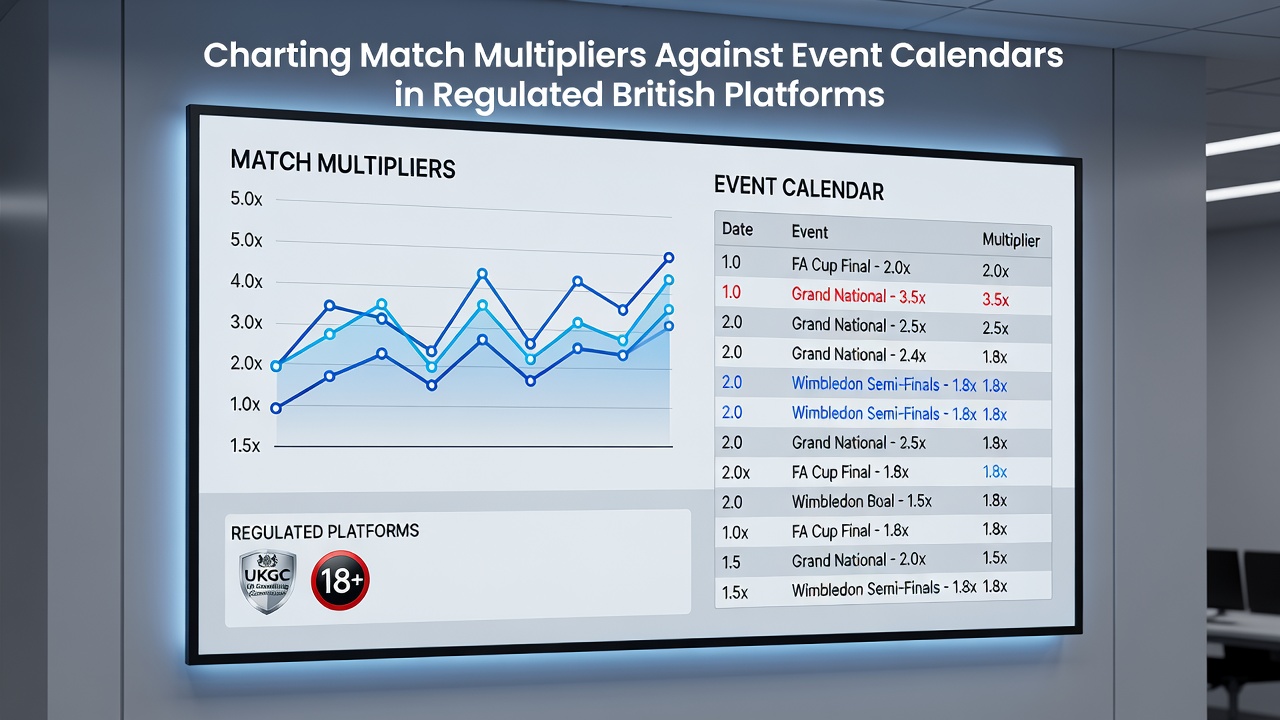
Charting Match Multipliers Against Event Calendars in Regulated British Platforms
Regulated British platforms maintain detailed systems that align match multipliers with upcoming fixtures listed on official event calendars, and operators adjust these multipliers based on timing, league schedules, and tournament phases while data from industry reports shows consistent patterns across major sports seasons.
Defining Match Multipliers in Context
Match multipliers function as percentage-based boosts applied to winnings or stake returns during specific betting opportunities, and they appear most frequently in football, tennis, and rugby markets where platforms tie the offers directly to fixture lists published months ahead. Observers note that these multipliers often range from 1.2x to 5x depending on event prominence, yet the precise values shift as calendars update with postponements or additional matches.
Research indicates that platforms review calendar data weekly to recalibrate multiplier availability, and this process incorporates input from governing bodies that release fixture releases each spring and autumn. Those who've examined platform mechanics find the adjustments help maintain compliance with responsible gambling standards while responding to market demand around high-profile dates.
Event Calendars as Planning Tools
Event calendars serve as the backbone for multiplier deployment because they list start times, venues, and participant details well in advance, allowing platforms to pre-load promotional structures. Data shows that multipliers for Premier League weekends receive earlier activation than those for midweek cup ties, and similar hierarchies apply across European competitions that overlap with domestic schedules.
Platforms cross-reference these calendars with historical betting volumes to decide which multipliers receive broader promotion, while June 2026 stands out on current drafts due to the expanded international tournament window that runs through summer months. Figures from past cycles reveal elevated multiplier activity during comparable periods, and operators prepare by locking in promotional windows against the fixed dates released by tournament organizers.
Patterns Observed Across Seasons
Analysis of multiplier deployment reveals recurring alignments where weekend blocks receive higher multipliers than weekday events, and this pattern holds steady across multiple platforms. Take one platform that increased rugby league multipliers during the June international window in previous years, and researchers discovered the same approach applied to cricket fixtures that fall on bank holiday weekends.
What's interesting is how platforms segment calendars into tiers, with Tier 1 events such as cup finals drawing the largest multipliers while league matches receive scaled versions that still exceed standard odds. Evidence suggests this tiering helps distribute promotional budgets evenly throughout the year rather than concentrating them around single high-profile dates.
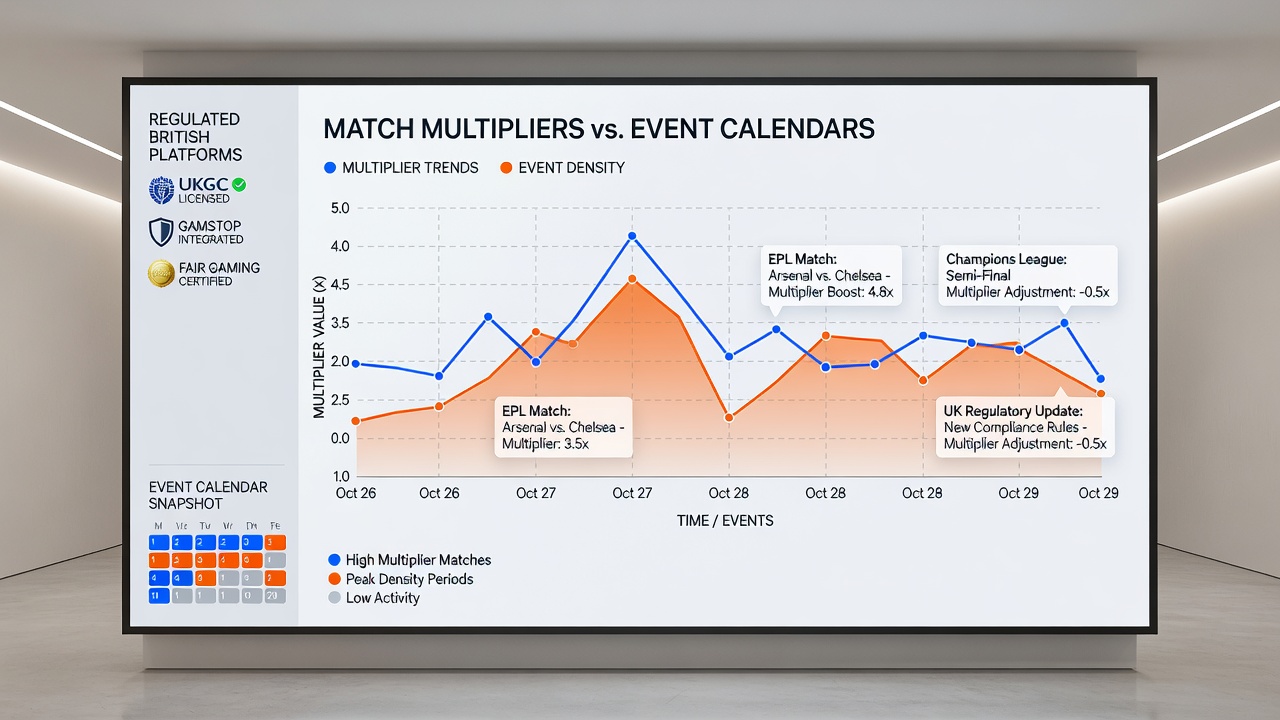
Regulatory Influences on Calendar Alignment
Regulatory frameworks require platforms to document how multipliers connect to verifiable event data, and this documentation often includes screenshots of published calendars plus internal approval logs. Those who monitor compliance note that operators must demonstrate multipliers do not encourage excessive play, which leads many platforms to cap multiplier values during dense fixture periods when multiple events occur on the same day.
According to reports from the European Gaming and Betting Association, platforms across member markets increasingly use automated tools to flag calendar overlaps and adjust multipliers accordingly. These tools reduce manual errors while ensuring offers remain within established risk parameters set by oversight bodies.
June 2026 Considerations
Current calendars place several major tournaments in June 2026, creating extended periods where platforms can layer multipliers across overlapping competitions. Operators have begun preliminary mapping exercises that pair these dates with existing domestic schedules, and early indications show planned multiplier clusters around opening weekends and knockout stages.
Studies conducted by gaming research centers, including work published through the University of Las Vegas International Gaming Institute, highlight how extended calendar windows allow platforms to maintain steady multiplier availability rather than front-loading all offers at the start of a month. This approach spreads engagement across longer stretches and aligns with observed user behavior during previous international summers.
Practical Implementation on Platforms
Platform teams integrate calendar feeds into their backend systems so that multiplier eligibility updates automatically when fixtures receive confirmation or rescheduling. Users encounter these changes through app notifications or account dashboards that display remaining days until a multiplier activates for a listed match.
One documented case involved a platform that shifted tennis multipliers forward by a week after a tournament calendar revision, and the adjustment preserved the original multiplier values while maintaining transparency for account holders. Similar flexibility appears in football markets where weather-related postponements trigger rapid recalibrations without altering the underlying multiplier percentages.
Conclusion
Charting match multipliers against event calendars remains a core operational practice for regulated British platforms, and the process continues to evolve with improved data integration and calendar accuracy. Platforms that maintain clear linkages between published fixtures and multiplier offers demonstrate consistent adherence to regulatory expectations while responding to seasonal patterns that peak around major international windows such as June 2026. Continued monitoring of these alignments provides insight into how operators balance promotional activity with compliance requirements across the annual sports schedule.