Decoding Sequential Token Lifecycles Across App-Based Verification Layers in Regulated Betting Ecosystems
Written by Petra Hartmann · Jun 19, 2026
Decoding Sequential Token Lifecycles Across App-Based Verification Layers in Regulated Betting Ecosystems
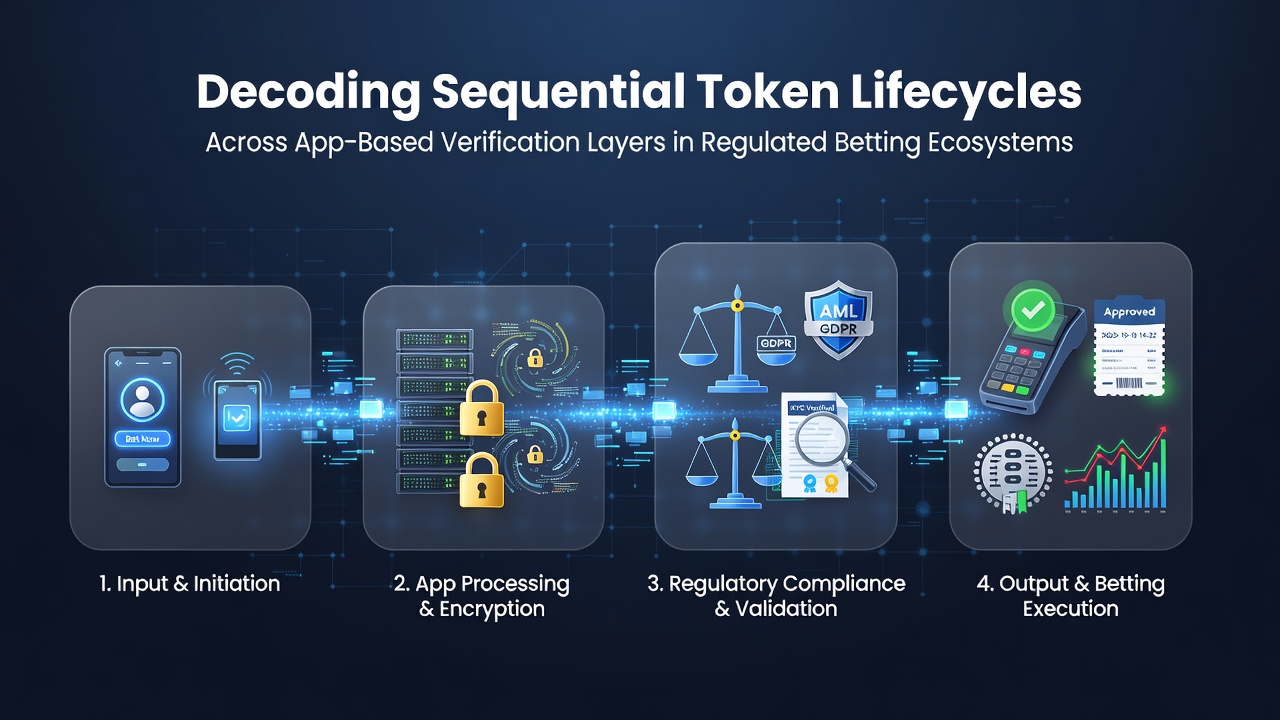
Sequential token lifecycles in app-based verification systems follow structured patterns that begin with initial device authentication and extend through multiple regulatory compliance checkpoints in regulated betting ecosystems. These processes rely on cryptographic tokens that carry metadata about user identity, session state, and transaction authorization while adhering to jurisdictional requirements for data integrity and audit trails. Observers note that each token passes through distinct phases including generation, validation, propagation across layers, and eventual expiration or revocation, which ensures continuous compliance monitoring without interrupting user flows.
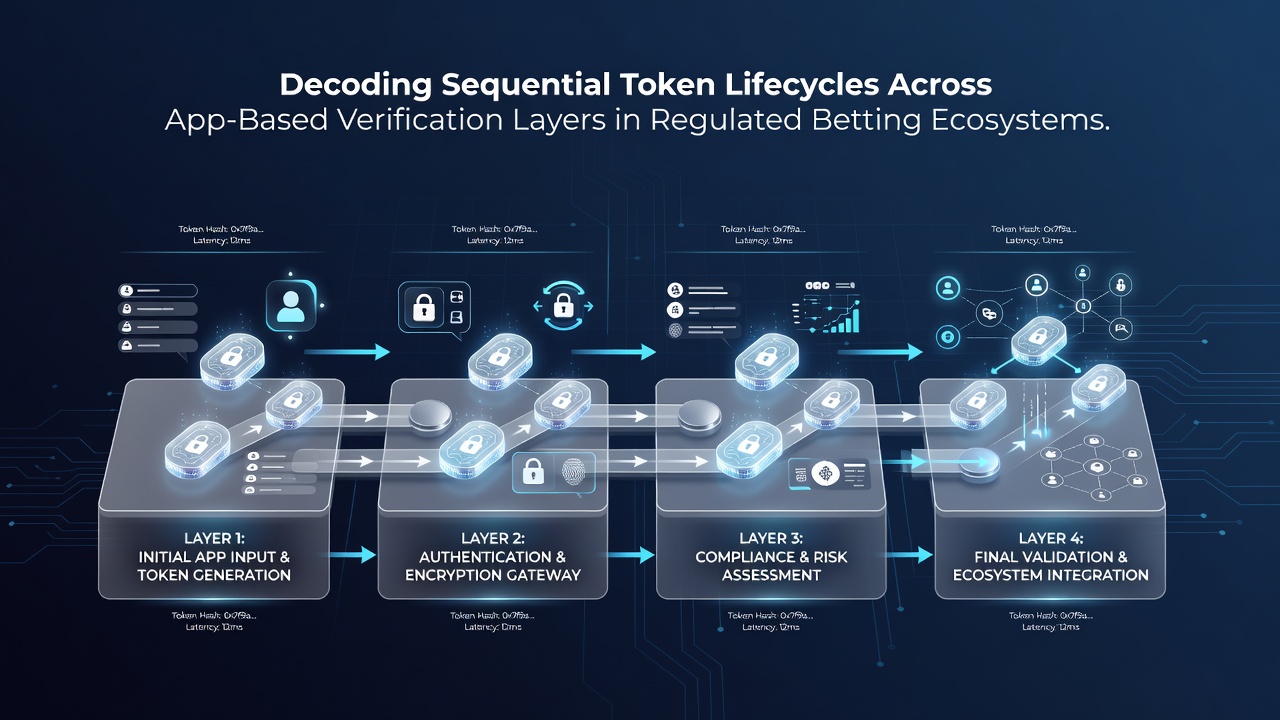
App-based verification layers typically operate in a stacked architecture where the first layer handles basic device fingerprinting and the subsequent layers incorporate biometric data or government-issued identification cross-checks. Researchers have documented how tokens generated at the device layer receive encrypted payloads that reference prior verification events, allowing downstream systems to confirm continuity. This chaining mechanism prevents replay attacks and maintains a verifiable sequence that regulators can audit on demand.
Core Components of Token Generation and Propagation
Token generation occurs at the moment a user initiates an app session, drawing from a combination of hardware identifiers, timestamp data, and regulatory jurisdiction flags. The resulting token then propagates to verification servers where it undergoes cryptographic signing before moving into the identity confirmation layer. Data indicates that propagation times average under 800 milliseconds in optimized systems, which supports seamless transitions between betting activities and compliance checks.
Each subsequent layer appends new attributes to the token without altering the original signature, creating a cumulative record that reflects every verification step completed. Those who study these systems find that revocation lists update in real time, allowing tokens to be invalidated instantly if anomalies such as location mismatches or failed biometric matches appear. This design supports regulatory demands for immediate intervention while preserving the sequential integrity of the lifecycle.
Regulatory Influences on Lifecycle Management
Jurisdictions across North America and the European Union have established frameworks that dictate minimum retention periods for token metadata and require encryption standards that exceed general data protection rules. In June 2026 several Canadian provincial regulators introduced mandatory logging intervals for token state changes, which forced platform operators to adjust their propagation protocols accordingly. These updates align with broader efforts to standardize audit capabilities across app ecosystems.
Industry reports from the Gaming Regulation Consortium highlight how sequential token systems reduce false-positive verification failures by maintaining context across layers. The same reports note that platforms operating under Australian oversight adopted similar chaining methods after 2025 pilot programs demonstrated measurable improvements in compliance reporting accuracy.
Expiration, Revocation, and Audit Integration
Token expiration follows fixed schedules tied to session duration and regulatory risk classifications, with high-value transactions triggering shorter lifespans. Once a token reaches its endpoint it enters a cooldown state during which the system archives associated metadata for potential regulatory review. Studies conducted by academic groups at the University of Nevada have shown that archived token sequences enable faster dispute resolution because every verification decision remains traceable.
Revocation events interrupt the normal lifecycle when anomalies trigger automated flags, yet the system still records teh full sequence up to the point of termination. This practice satisfies requirements from multiple oversight bodies that mandate complete lifecycle documentation regardless of outcome. Observers note that integration with centralized audit platforms allows regulators to query token histories without accessing live betting data, which maintains operational separation between compliance and commercial functions.
Interoperability Across Multi-Jurisdictional Platforms
Platforms serving users in multiple regions must reconcile differing token lifecycle rules by embedding jurisdiction-specific flags within each token payload. These flags dictate which verification layers activate and how long metadata persists after expiration. Research indicates that standardized token schemas adopted in 2025 have reduced cross-border reconciliation errors by approximately 34 percent according to aggregated industry metrics.
Sequential processing also accommodates dynamic regulatory changes, such as new age-verification thresholds or updated responsible gambling markers, by allowing tokens to reference external policy engines. When a jurisdiction updates its requirements the affected tokens receive updated references during their next validation cycle without requiring full re-issuance. This incremental approach minimizes user friction while ensuring ongoing compliance.
Conclusion
Sequential token lifecycles across app-based verification layers form the backbone of compliance infrastructure in regulated betting ecosystems. The structured progression from generation through validation, propagation, and expiration creates auditable records that satisfy diverse regulatory mandates. Continued refinement of these systems, particularly following the June 2026 protocol updates in several jurisdictions, supports both operational efficiency and regulatory transparency without compromising the integrity of verification sequences.