Mapping Credit Activation Trails from Registration Through Multi-Vertical Play to Final Settlement in UK Regulated Sites
Written by Blake Patterson · Aug 26, 2026
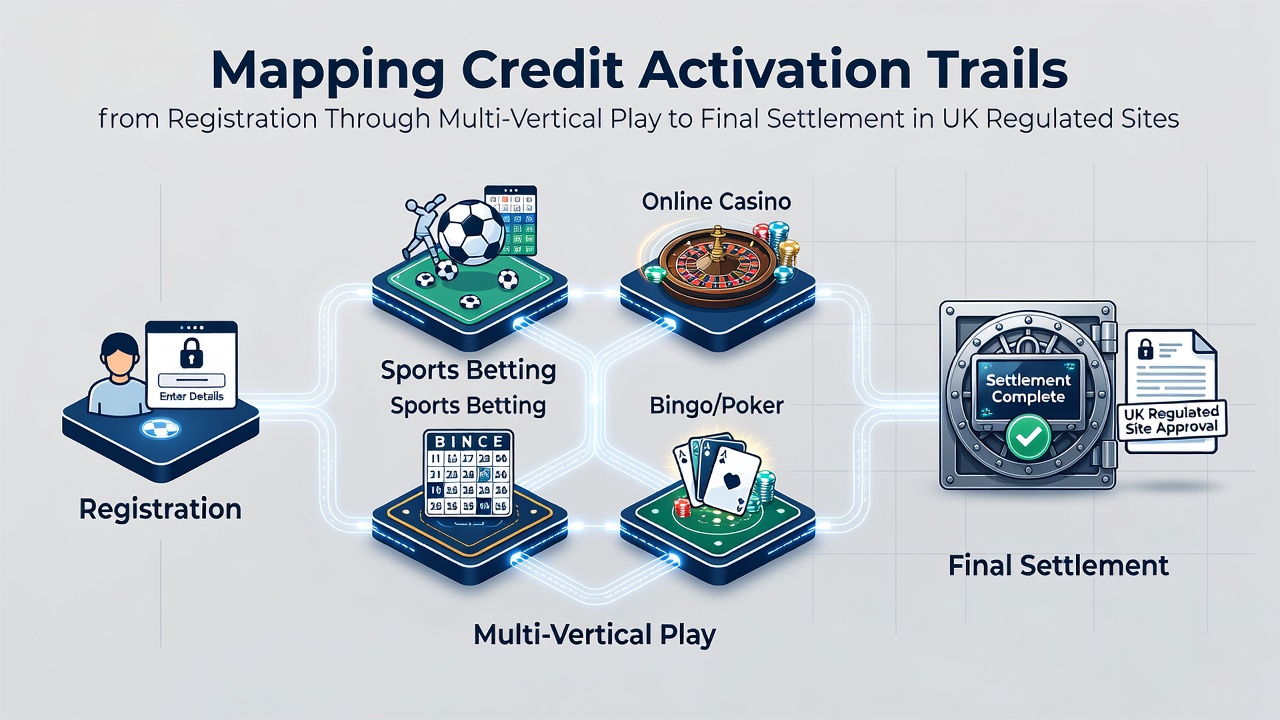
Mapping Credit Activation Trails from Registration Through Multi-Vertical Play to Final Settlement in UK Regulated Sites
Registration marks the starting point where platforms capture user details and initiate verification sequences that align with regulatory standards across the sector. Data entered at this stage feeds directly into systems that activate initial credits, whether from deposits or promotional allocations, and log every subsequent movement with timestamps and identifiers. Observers note that these early records establish the foundation for all later tracking, because any discrepancy here can halt play or delay settlement later in the chain.
Initial Activation and Verification Layers
Once registration completes, platforms apply automated checks that confirm identity and link accounts to payment methods before credits become active. Research from industry bodies shows these steps typically involve document uploads and address validation, processes that generate audit trails used by compliance teams. Credits tied to deposits activate immediately after clearance, whereas promotional credits often carry separate flags that restrict their use until specific conditions appear in the account history. Experts have observed that this dual-path activation prevents commingling of funds and supports clear reporting when users shift between verticals.
Transitions Across Casino and Sportsbook Verticals
Multi-vertical play requires systems to recognise when credits move from one product category to another, such as slots sessions feeding into live betting markets or table games preceding accumulator wagers. Platforms maintain unified ledgers that record each transfer with category tags, stake amounts, and outcome results so that operators can reconstruct sequences during audits. Data indicates that seamless handoffs depend on real-time balance updates, which reduce the risk of credit fragmentation when users alternate between verticals within a single session. Those who manage these platforms emphasise that clear categorisation helps satisfy reporting obligations while users explore different formats.
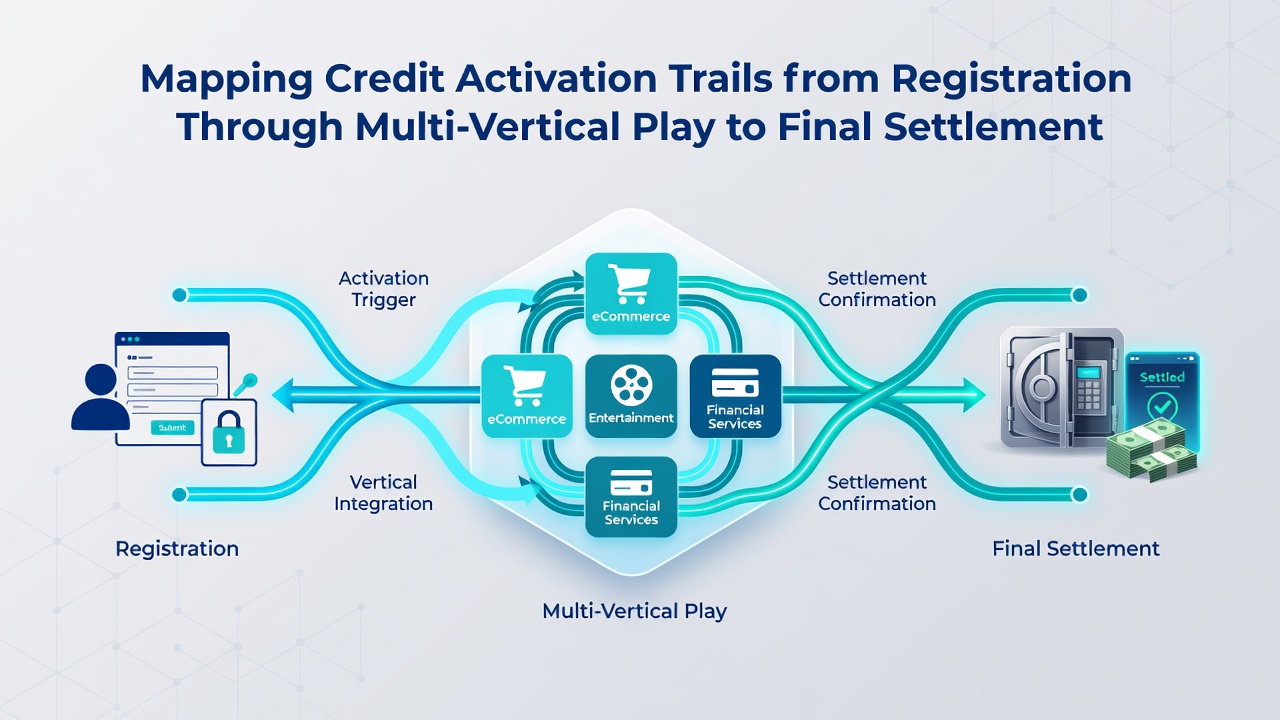
Monitoring Mechanisms and Compliance Records
Continuous monitoring tools capture every wager, win, and loss with associated credit types, creating granular datasets that regulators and operators review periodically. According to figures released by the European Gaming and Betting Association, platforms that maintain integrated monitoring across verticals report fewer reconciliation issues during periodic reviews. These systems flag unusual patterns automatically, prompting manual checks that verify whether credits followed authorised paths from activation onward. Researchers discovered that timestamped logs prove especially valuable when users engage in rapid switches between casino and sports products, because the records allow precise reconstruction of sequences that span hours or days.
Settlement Procedures and Final Reconciliation
Final settlement occurs only after platforms confirm that all play complies with applicable terms, a step that involves cross-referencing activation records against withdrawal requests. Systems calculate remaining balances, deduct any applicable fees, and verify that credits have not violated movement restrictions across verticals. Evidence suggests that automated reconciliation engines handle the bulk of these checks, yet human review still occurs for high-value requests or flagged accounts. In August 2026, several operators updated their settlement dashboards to display full credit histories in a single view, a change that streamlines user communication while preserving the detailed trails required for oversight.
Regulatory Reporting and Cross-Border Comparisons
UK regulated sites submit aggregated data on credit flows to oversight bodies, yet similar requirements exist in other jurisdictions that offer useful benchmarks. Reports from the Australian Institute of Criminology highlight how comparable tracking systems in regulated markets reduce discrepancies between reported and actual credit movements. Platforms often adapt elements of these international approaches, such as standardised data fields for credit origin and destination, to strengthen their own internal maps. Observers note that alignment with multiple regulatory frameworks helps operators maintain consistent processes even when users access sites from different regions.
Conclusion
Mapping credit activation trails from registration through multi-vertical play to final settlement relies on layered verification, unified ledgers, and ongoing monitoring that together produce auditable records. Platforms that integrate these elements can demonstrate compliance while supporting user movement across products. Data from various regulatory and research sources continues to shape refinements in these systems, particularly as operators incorporate new dashboard features and reporting standards expected through 2026 and beyond.