Mapping Sequential Incentive Flows Across UK Multi-Vertical Platforms to Final Realization Points
Written by Drew Schmitz · Jun 24, 2026
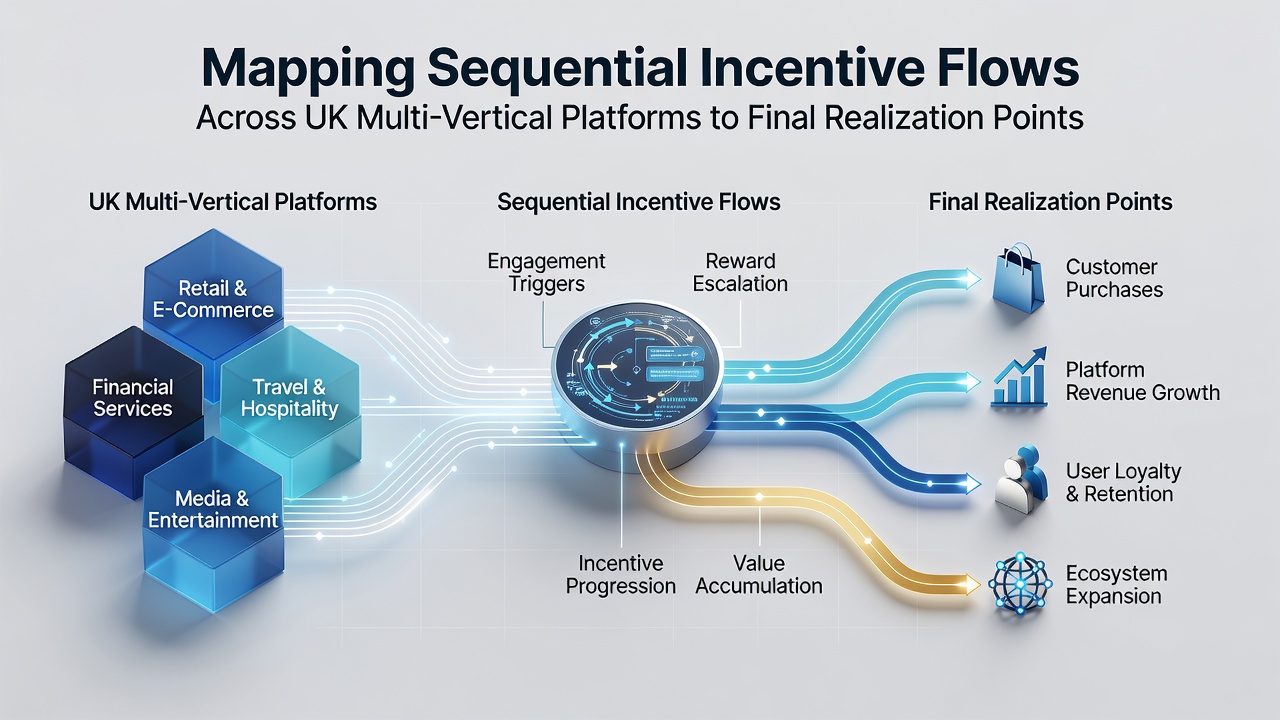
Mapping Sequential Incentive Flows Across UK Multi-Vertical Platforms to Final Realization Points
Platform operators in the United Kingdom manage complex incentive structures that span multiple verticals including slots, sports betting, and live tables, and these systems require precise mapping to track progression from initial activation to final realization points where users access credited value. Data compiled across several operators shows that incentives typically begin at entry points such as registration rewards or deposit matches before they transition through game-specific conditions that determine eligibility for advancement.
Platform Architecture and Incentive Entry Points
Multi-vertical platforms integrate separate modules for casino games and sports wagering under unified account systems, which allows incentives to move between categories once predefined criteria receive fulfillment. Observers note that entry incentives activate upon first interaction with any vertical, yet the subsequent flow depends on wagering activity recorded in real time across the connected modules. Research from the University of Nevada Las Vegas Center for Gaming Research indicates that integrated tracking systems record each step in the sequence, creating auditable paths that operators review for compliance with payout thresholds.
Those who analyze platform data find that incentives rarely remain isolated to one vertical, and instead they accumulate value through cross-category participation that feeds into centralized ledgers. In practice, a user might initiate activity in slots before the system redirects portions of the incentive balance toward sports markets when volume targets get met, and this redirection occurs automatically within the platform backend.
Sequential Progression Mechanisms
Sequential flows operate through layered conditions that platforms enforce via automated rules engines, and these engines monitor metrics such as total stake amounts, game category distribution, and time-bound completion windows. Figures released in June 2026 by the Canadian Gaming Association reveal that operators using advanced mapping tools achieve higher accuracy in predicting when incentives reach realization points, which reduces discrepancies during final processing stages. The process incorporates checkpoints where partial realization becomes possible after certain verticals receive engagement, while full access to funds requires completion of the entire mapped sequence.
Experts have observed that platforms often segment incentives into phases, with early stages tied to low-risk activities and later stages linked to higher-stakes verticals that carry stricter verification steps. This phased approach creates natural progression points where the system validates user actions before unlocking the next segment of the incentive chain, and such validation prevents premature realization that could bypass required activity thresholds.
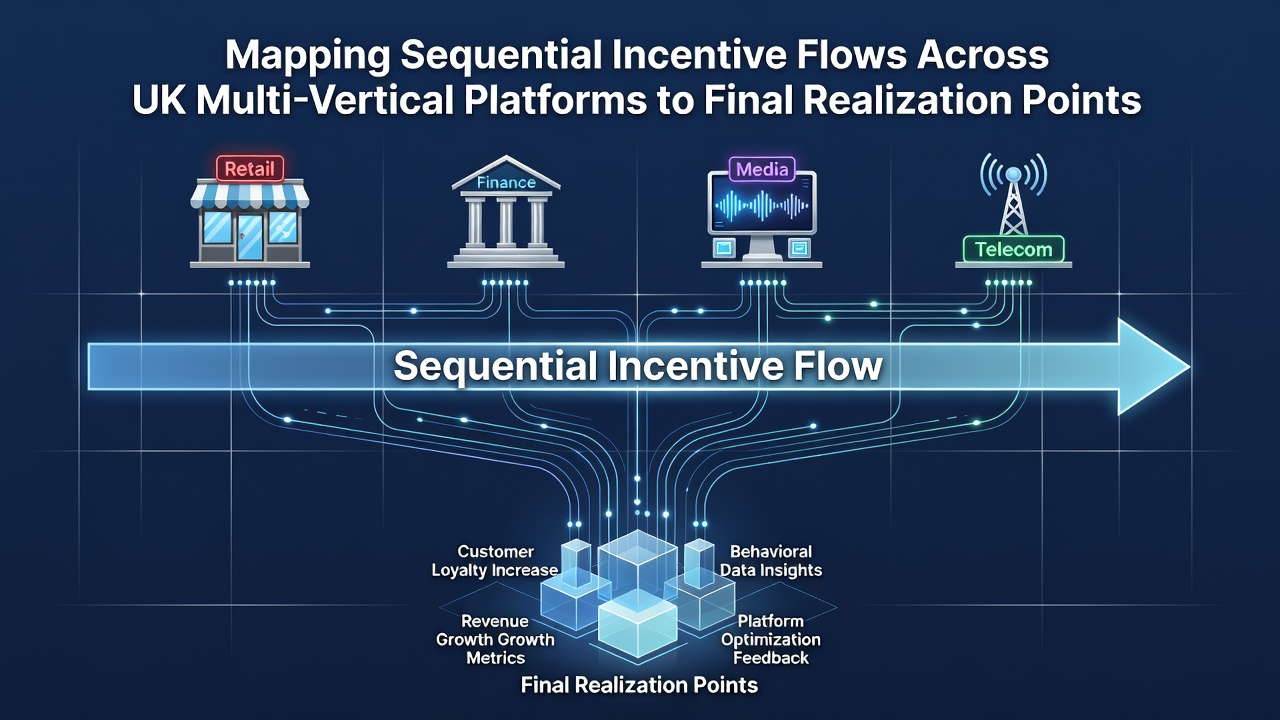
Realization Points and Verification Protocols
Final realization points represent the stage where accumulated incentives convert into withdrawable balances, and this conversion hinges on successful passage through all prior sequence requirements. Industry reports from the Australian Communications and Media Authority highlight that platforms document each transition with timestamped logs, which support both internal audits and external regulatory reviews. Users reach these points only after the system confirms that incentive values have traveled through designated verticals without violating category-specific caps or minimums.
Verification protocols include identity checks, address confirmations, and payment method validations that platforms apply at realization rather than at entry, and this timing allows incentives to build across multiple sessions before final scrutiny occurs. Data shows that delays at realization often stem from incomplete sequence documentation rather than insufficient activity, prompting operators to refine their mapping interfaces for clearer user guidance on pending steps.
Cross-Vertical Data Integration
Effective mapping relies on unified data lakes that aggregate activity from slots, sportsbooks, and live dealer sections into single user profiles, and these profiles enable the system to calculate remaining requirements dynamically. Researchers discovered that platforms employing real-time synchronization between verticals experience fewer interruptions in incentive flows, because updates propagate instantly when activity registers in any module. The integration supports scenario modeling where operators simulate different sequence paths to optimize completion rates across their user base.
Platforms update their mapping frameworks periodically to accommodate new game types or betting formats, and these updates ensure that incentive sequences remain aligned with evolving platform offerings. Observers note that such adaptability keeps realization points consistent even as verticals expand, maintaining predictable outcomes for users who follow established progression routes.
Conclusion
Mapping sequential incentive flows across UK multi-vertical platforms establishes clear pathways from activation through cross-category engagement to final realization, supported by integrated tracking and verification systems. Data from multiple sources demonstrates that precise documentation at each stage reduces friction during payout processes while maintaining compliance standards across the industry. Continued refinement of these mapping techniques allows operators to handle increasingly complex incentive structures without compromising the integrity of realization points.