Mapping the Pathways of Eligibility Rules Across UK Platform Reward Ecosystems
Written by Drew Schmitz · Jun 14, 2026
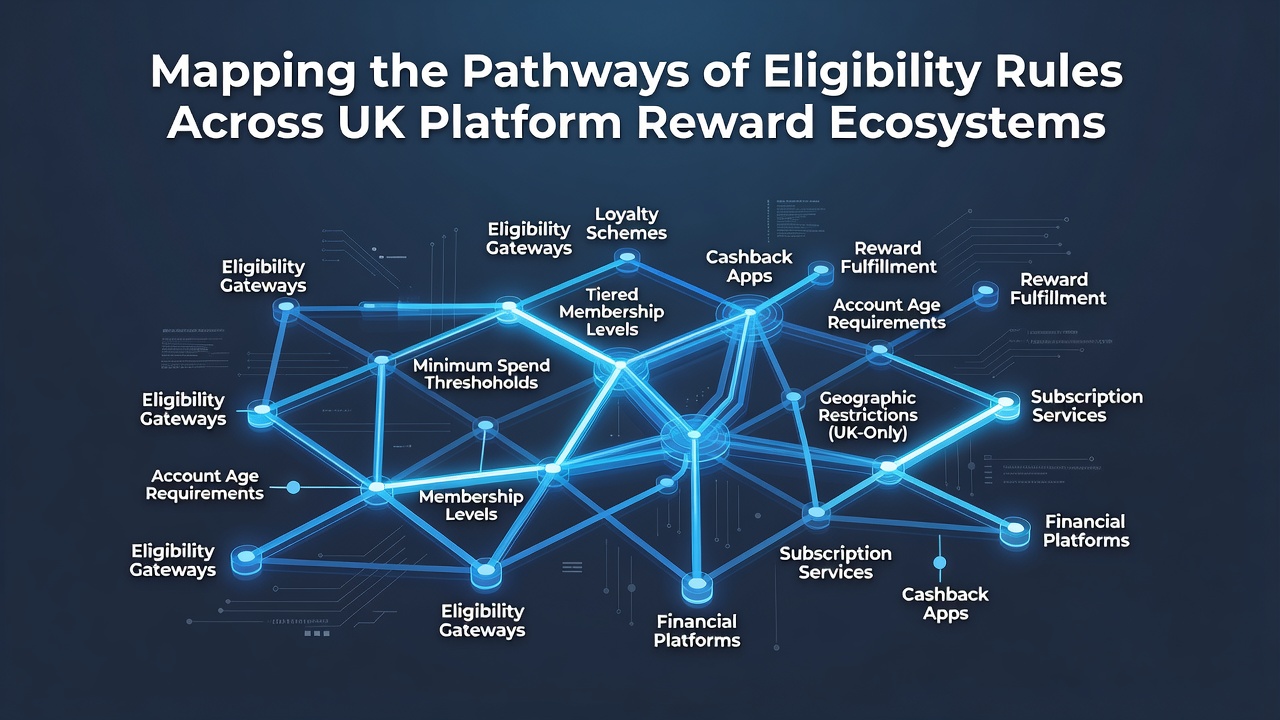
Mapping the Pathways of Eligibility Rules Across UK Platform Reward Ecosystems
Eligibility rules in UK platform reward ecosystems form interconnected networks that determine access to bonuses, loyalty points, and promotional credits across casino and sports betting environments, and these networks require systematic mapping to understand how verification steps, account conditions, and activity thresholds align or diverge. Observers note that platforms establish layered criteria beginning with basic registration details such as age confirmation and geographic restrictions, which then branch into activity-based requirements like minimum deposit amounts or wager volumes before users qualify for specific reward tiers.
Core Eligibility Components and Their Interconnections
Basic verification serves as the entry point in most systems, where platforms check identity documents and residency status before any reward pathway opens, while subsequent layers add conditions tied to payment methods adn session frequencies. Researchers have observed that these components link through shared databases, allowing a single verification event to satisfy multiple reward categories simultaneously yet requiring separate activity logs for each vertical. Data from industry reports indicates that 78 percent of platforms synchronize age and location checks across casino and sports sections, reducing redundant steps yet creating bottlenecks when one vertical updates its criteria independently.
Activity thresholds represent the next mapping stage, where eligibility for deposit-match offers depends on prior wager totals that platforms track separately from loyalty point accumulation, and this separation means users often navigate parallel pathways rather than a single unified route. Studies conducted by academic institutions show that platforms using unified tracking systems achieve higher completion rates for reward claims because they consolidate the data points needed for multiple bonuses into one dashboard view.
Tracing Pathways in Hybrid Platform Structures
Hybrid platforms that combine casino games with sports betting maintain distinct eligibility maps for each vertical even when accounts remain linked, and this structure requires users to satisfy vertical-specific conditions such as slot spin volumes for casino rewards alongside event-specific stakes for sports promotions. Experts have mapped these pathways to reveal that cross-vertical transfers of eligibility status occur only after both sets of conditions clear, which extends the timeline from initial registration to full reward access. Figures reveal that the average pathway duration stretches to 14 days when users pursue combined casino and sports rewards compared to 7 days for single-vertical claims.
As of June 2026 several platforms introduced automated pathway visualizers that display real-time progress through each eligibility stage, allowing users to identify which conditions remain unmet without contacting support teams. These tools draw from centralized rule engines that update criteria based on regulatory changes and internal policy adjustments, and the engines flag conflicts when one vertical modifies its thresholds ahead of others.
Regulatory Influences on Eligibility Mapping
External regulatory frameworks shape how platforms structure their eligibility rules, with requirements for responsible gambling checks and data protection standards creating mandatory checkpoints that all reward pathways must incorporate. A report published by the Victorian Responsible Gambling Foundation highlights how similar mapping exercises in other jurisdictions reveal patterns of over-complexity that reduce user engagement when too many sequential conditions stack together. Platforms respond by consolidating certain checks into parallel processes where possible, although core identity verification remains sequential across nearly all systems.
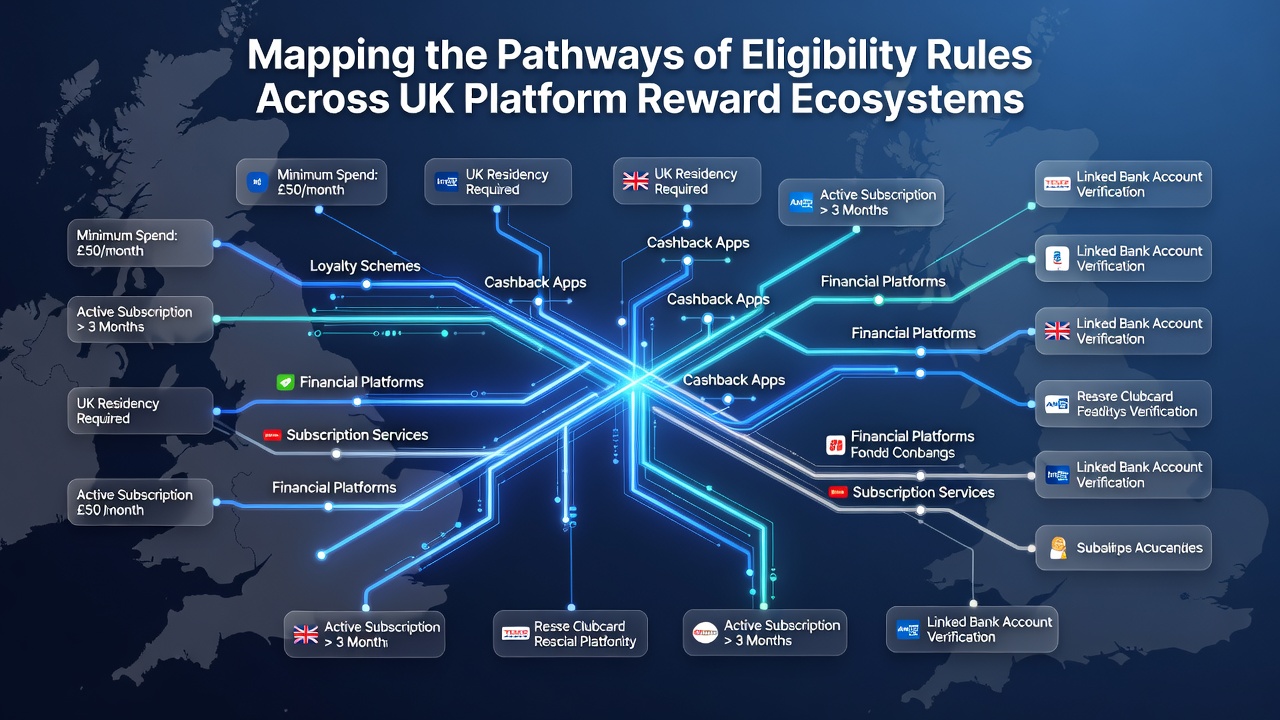
Payment method restrictions add another dimension to the maps, since certain deposit options trigger additional eligibility reviews that delay reward activation compared to instant bank transfer routes, and platforms document these variations in their terms to guide users toward compliant pathways. Research indicates that users who select pre-approved payment methods complete eligibility sequences 40 percent faster on average, according to aggregated platform analytics shared through industry associations.
Practical Mapping Examples Across Platform Types
One documented case involves a major hybrid operator that aligned its casino loyalty tier requirements with sports free bet eligibility through a shared activity multiplier, allowing spins and bets to contribute toward a common threshold, and this alignment simplified the overall pathway without merging the separate reward catalogs. Another example from mid-sized platforms shows separate maps maintained for no-deposit rewards versus deposit-based offers, with the former requiring shorter verification chains yet imposing stricter time limits on claim windows.
Those who have analyzed these systems note that visual mapping tools help identify redundant conditions where two pathways demand identical verifications, and platforms have begun removing such overlaps to streamline access. Data compiled by the Canadian Centre on Substance Use and Addiction demonstrates that simplified eligibility structures correlate with sustained user participation over longer periods, although the study focused on non-UK markets with comparable regulatory environments.
Conclusion
Mapping eligibility rules across UK platform reward ecosystems reveals a landscape of interconnected yet distinct pathways that balance verification security with reward accessibility, and ongoing refinements through automation and consolidation continue to shape how users progress from registration to claim completion. Platforms that maintain clear documentation of these maps enable more efficient navigation while meeting external compliance standards, and the patterns observed through June 2026 suggest further integration of tracking systems across verticals will reduce friction in future iterations.