Navigating Eligibility Pathways for Tiered Incentive Transfers in Integrated European Gaming Platforms
Written by Blake Patterson · Aug 19, 2026
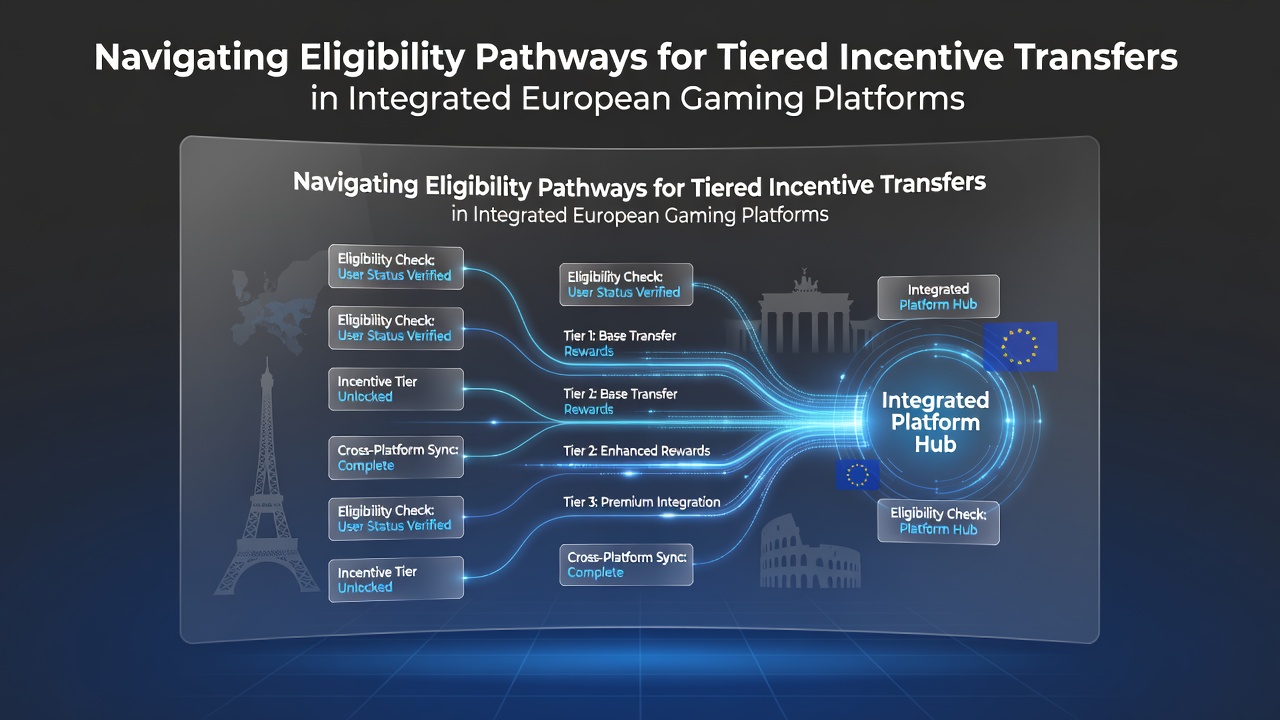
Navigating Eligibility Pathways for Tiered Incentive Transfers in Integrated European Gaming Platforms
European gaming platforms that combine casino and sports betting features have developed structured systems for moving incentives between different player tiers, and operators must follow specific eligibility rules that vary by jurisdiction and platform integration level. These pathways determine how credits earned in one vertical transfer to another while maintaining compliance with national licensing requirements across the European Union and associated markets.
Regulatory Foundations Across Member States
Eligibility criteria often start with residency verification and age confirmation before any incentive movement occurs, since rules set by national authorities establish baseline standards for player accounts. Data from the European Commission indicates that cross-border platform operations require adherence to multiple frameworks simultaneously, which creates layered checks that platforms implement through automated systems. Observers note that platforms operating under Maltese or Gibraltar licenses frequently align their transfer protocols with directives that emphasize responsible gaming measures, and those protocols influence how tiers advance from basic to premium status.
August 2026 marks the scheduled rollout of updated digital services regulations that will affect incentive tracking across integrated environments, requiring platforms to log transfers with greater granularity. Researchers at institutions focused on gambling studies have documented how such changes impact eligibility verification processes in hybrid models, where slots activity feeds into sportsbook promotions and vice versa.
Verification Steps for Tier Advancement
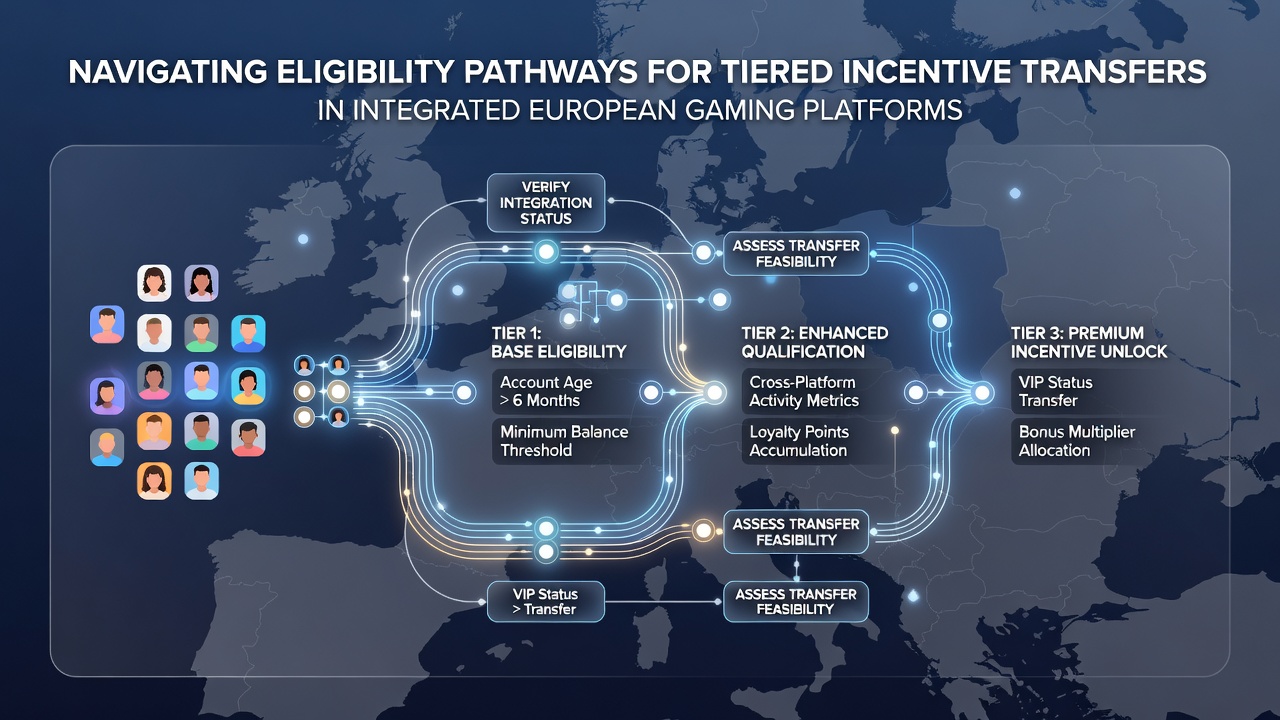
Players typically encounter sequential checks that include account activity thresholds, identity document submission, and location confirmation before incentives move between tiers. Platforms integrate these steps into single dashboards so that eligibility for a higher tier automatically triggers review of pending transfers from lower levels. Studies conducted by academic groups in Nordic countries reveal that consistent participation metrics serve as primary qualifiers, whereas sporadic activity often results in delayed or denied movements.
Cross-Vertical Transfer Mechanics
Integrated platforms use backend algorithms to calculate incentive values when shifting them from casino rewards to sports betting credits, and these calculations factor in conversion rates set by operators. Eligibility hinges on whether prior activity meets minimum wagering thresholds established in the platform's terms, which regulators review during licensing renewals. One case highlighted in industry reports showed how a player completing required cycles in slot games qualified for a direct transfer to live betting options, provided the account remained in good standing with no restrictions.
External audits conducted by independent firms help confirm that transfer pathways operate transparently, and platforms publish summaries of these reviews to maintain licensing status. According to figures from the European Gaming Regulation Network, successful transfers correlate strongly with documented compliance histories rather than isolated promotional events.
Documentation and Compliance Requirements
Operators require submission of tax identification details and proof of address when eligibility pathways cross into premium tiers, because certain jurisdictions impose additional reporting for larger incentive movements. Platforms maintain digital records that regulators can access during routine inspections, and these records track every step from initial qualification to final transfer completion. Those who have examined platform operations across Germany and the Netherlands report that centralized databases reduce processing times while preserving audit trails.
Eligibility can lapse if accounts show prolonged inactivity or if regional laws change, prompting platforms to notify users through in-app messages and email summaries. Research indicates that proactive communication about upcoming deadlines helps maintain continuity for players navigating multiple tiers over extended periods.
Conclusion
Integrated European gaming platforms continue to refine eligibility pathways for tiered incentive transfers through a combination of automated verification, regulatory alignment, and cross-jurisdictional coordination. Data from industry associations and academic sources shows that structured documentation and consistent activity remain central to successful movements between verticals. As updates approach in August 2026, platforms and players alike will reference these established processes to ensure transfers proceed without interruption under evolving standards.