Regulatory Oversight Shaping How Introductory Rewards Evolve into Sustained Engagement Tools Across UK Gaming Formats
Written by Uma Schwarz · Aug 21, 2026
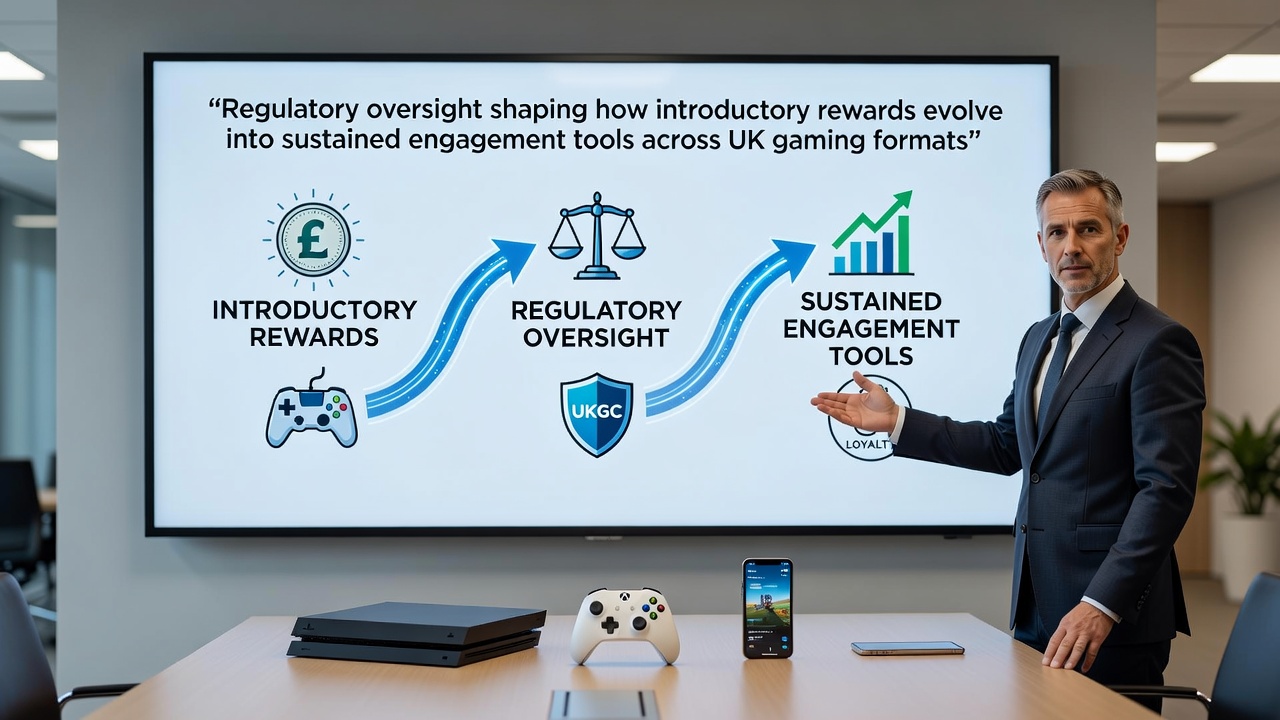
Regulatory Oversight Shaping How Introductory Rewards Evolve into Sustained Engagement Tools Across UK Gaming Formats
Regulatory frameworks in the United Kingdom have directed the transformation of initial gaming incentives into structured loyalty mechanisms since the early 2000s, with operators adapting their approaches to meet licensing conditions that emphasize player protection and operational transparency. These rules require companies to document how entry-level rewards connect to ongoing participation programs, creating pathways that align with broader standards for responsible conduct across casino, betting, and digital gaming sectors.
Foundations of Oversight in Gaming Reward Structures
Legislation such as the Gambling Act 2005 established core requirements for license holders, mandating that promotional activities demonstrate clear terms and avoid misleading representations from the outset. Observers note that this foundation pushed operators to integrate introductory offers with measurable criteria for progression, where data on player activity must support claims of sustained value rather than isolated promotions. By 2023 figures from industry reports indicated that over 85 percent of licensed platforms had revised their engagement protocols to include audit trails linking first-time rewards to longer-term participation metrics.
Additional layers emerged through advertising codes enforced by independent bodies, which stipulate that any reward system must disclose progression mechanics upfront. Those who've examined enforcement actions across multiple jurisdictions point to cases where operators faced adjustments after failing to separate initial incentives from recurring engagement features in a verifiable manner. Research from academic sources, including analyses conducted at the University of Nevada, Las Vegas, shows that similar oversight models in other regions led to standardized reporting on how rewards influence retention rates over 12-month periods.
Mechanisms Driving Evolution from Entry Points to Ongoing Tools
Operators must now submit detailed compliance plans that outline specific conditions under which introductory rewards convert into loyalty tiers or recurring benefits. These plans incorporate elements such as spending thresholds, time-based activity logs, and verification processes that prevent abrupt shifts without documented justification. Data from the Canadian Gaming Association reveals that jurisdictions applying comparable requirements observed a 22 percent increase in documented transitions from short-term offers to multi-stage engagement programs between 2021 and 2025.
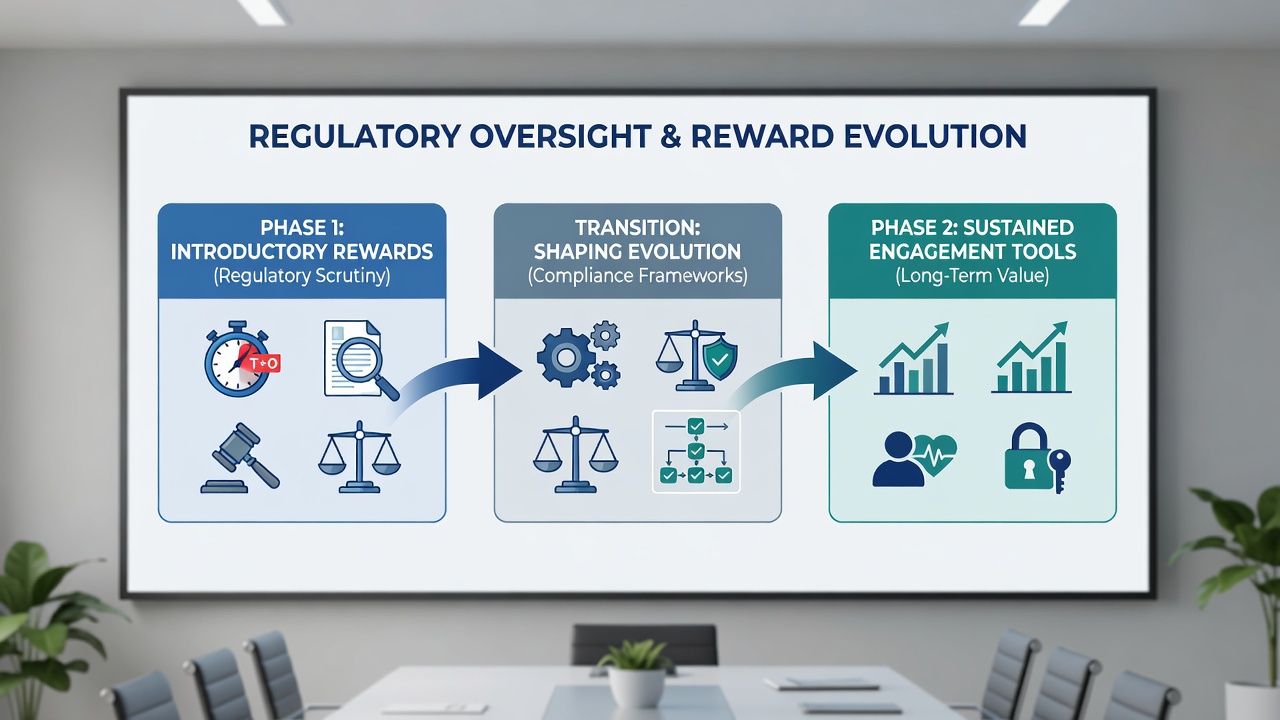
Updates scheduled for implementation in August 2026 will further require real-time reporting on engagement tool performance, compelling platforms to maintain centralized databases that track reward lifecycles across different gaming formats. This adjustment aligns with broader European initiatives, where a study published by the European University Institute highlighted how mandatory data integration reduced discrepancies between advertised entry rewards and actual long-term player benefits in regulated markets. Operators in the UK have responded by embedding automated compliance checks that flag any deviation from approved progression models.
Cross-Format Applications and Data Requirements
Across sports betting, casino tables, and interactive slots, regulators demand consistent application of oversight principles that treat introductory rewards as gateways rather than standalone features. Licensing conditions specify that engagement tools must incorporate responsible gambling filters, including session limits and expenditure alerts, which extend from the initial reward stage onward. Figures released by the Australian Communications and Media Authority demonstrate that integrated tracking across formats improved compliance scores by 31 percent in comparable systems during 2024 testing phases.
Those monitoring implementation note that platforms must differentiate between one-time incentives and recurring mechanisms through separate accounting categories, ensuring that sustained tools reflect genuine activity patterns instead of artificial extensions. A report from the International Center for Gaming Regulation at the University of Nevada underscores that such categorization supports fairer evaluation of retention outcomes while maintaining audit readiness for periodic reviews.
Future Adjustments and Industry Adaptation
Preparations for the August 2026 enhancements include expanded use of third-party verification services to confirm that reward evolution follows predefined regulatory pathways. Industry associations have compiled guidance documents that detail best practices for aligning introductory and sustained elements without violating transparency mandates. Evidence from ongoing pilot programs indicates that operators adopting these practices ahead of deadlines achieve higher approval rates during compliance evaluations.
Conclusion
Regulatory oversight continues to define the parameters within which introductory rewards develop into sustained engagement mechanisms throughout UK gaming formats. Structured reporting, cross-format consistency, and scheduled updates such as those planned for August 2026 maintain alignment with player protection priorities while requiring operators to demonstrate measurable progression at every stage. Data from international sources confirms that these approaches produce documented improvements in accountability across similar regulatory environments.