Synchronizing Time-Bound Code Redemptions with Tiered Loyalty Escalations Across British Mobile Gaming Portals
Written by Petra Hartmann · May 31, 2026
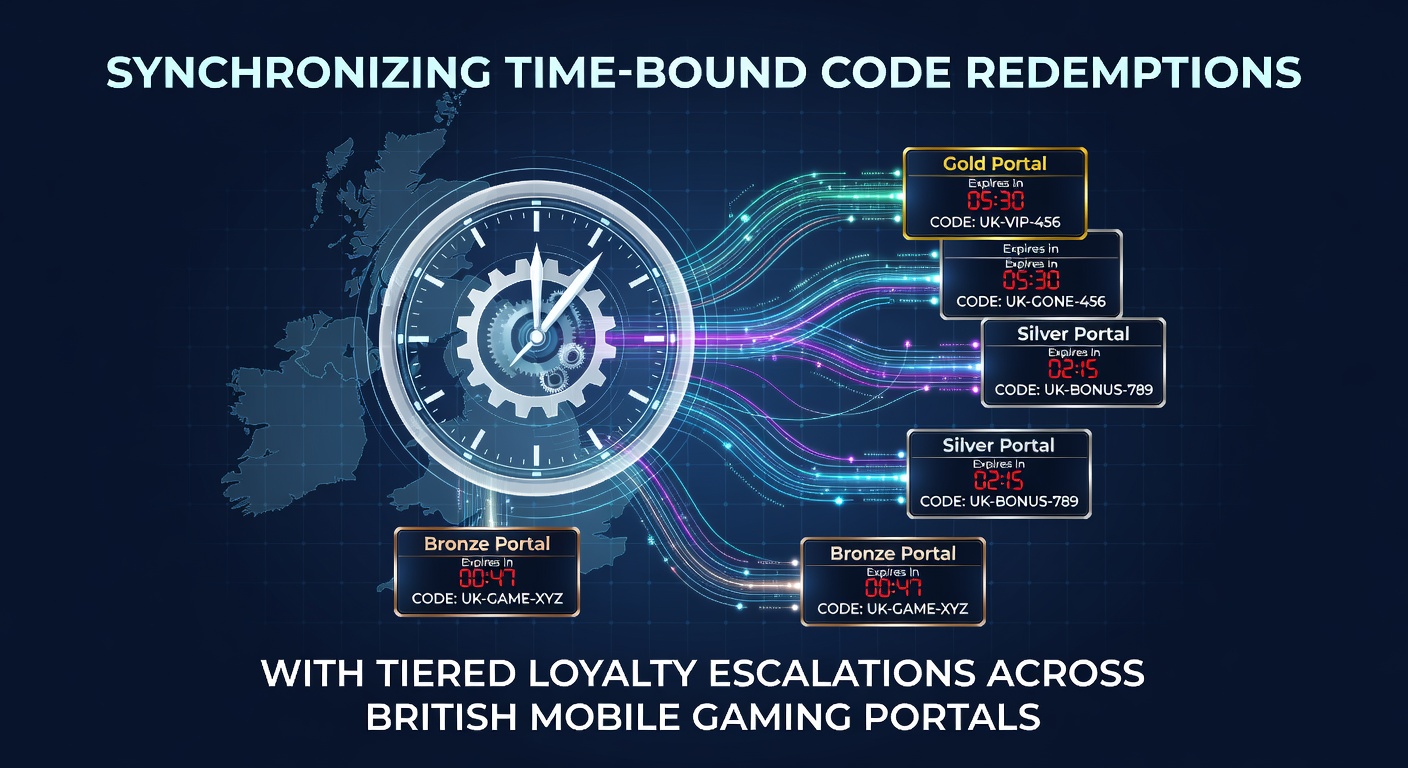
Synchronizing Time-Bound Code Redemptions with Tiered Loyalty Escalations Across British Mobile Gaming Portals
British mobile gaming portals have developed intricate systems that align time-limited redemption codes with escalating loyalty tiers, creating coordinated reward mechanisms that players access through dedicated apps and browser-based platforms. These systems operate by linking promotional codes with expiration windows to progressive membership levels where benefits increase based on accumulated activity metrics such as play frequency and deposit volumes. Observers note that synchronization prevents code misuse while encouraging sustained engagement across different game categories including slots, table games, and sports betting interfaces.
Mechanics of Time-Bound Code Integration
Time-bound codes function through automated validation processes embedded in mobile application backends where each code carries a defined validity period measured in hours or days from the moment of generation. Portal operators connect these codes directly to loyalty databases so that redemption triggers an immediate tier check and applies appropriate multipliers or unlocks only if the player's current status meets predefined thresholds. Data from industry monitoring shows that such linkages reduce instances of code hoarding because players must act within windows that coincide with their progression schedules rather than storing codes indefinitely.
Developers implement timestamp synchronization protocols that cross-reference server clocks with device times to avoid discrepancies caused by network delays or time zone differences common among users located throughout the United Kingdom and beyond. When a player enters a code during an active session the system evaluates both the code's remaining duration and the player's loyalty points accumulated since their last tier review then calculates any escalation benefits on the spot.
Tiered Loyalty Structures and Escalation Pathways
Loyalty tiers in these portals typically range from entry-level bronze or starter categories through intermediate silver and gold stages up to premium platinum or diamond designations with each level unlocking higher redemption limits and additional code eligibility. Escalation occurs through algorithmic tracking of metrics including total wagered amounts, session durations, and completion of specific challenges that feed into a central player profile updated in real time. Researchers at academic institutions studying digital entertainment economies have documented how these tier systems create compounding advantages where higher-status players receive priority access to codes with longer validity periods or larger reward values.
One study from the University of Nevada's gaming research division revealed that synchronized systems improve retention rates by aligning code availability with natural progression milestones so players encounter new opportunities precisely when they approach the next tier threshold. British portals apply these principles by generating personalized code offers that appear within the app interface moments after a tier advancement notification.
Cross-Platform Synchronization Techniques
Mobile gaming portals achieve synchronization across devices and sessions by maintaining cloud-based player ledgers that update loyalty status and code inventories instantly regardless of whether access occurs through iOS, Android, or web browsers. Application programming interfaces connect the redemption engine with loyalty management modules allowing simultaneous verification that prevents duplicate claims while confirming that time constraints remain enforced uniformly. Operators have introduced batch processing routines that handle high-volume periods such as weekend evenings when redemption activity spikes and multiple tier escalations may occur concurrently.
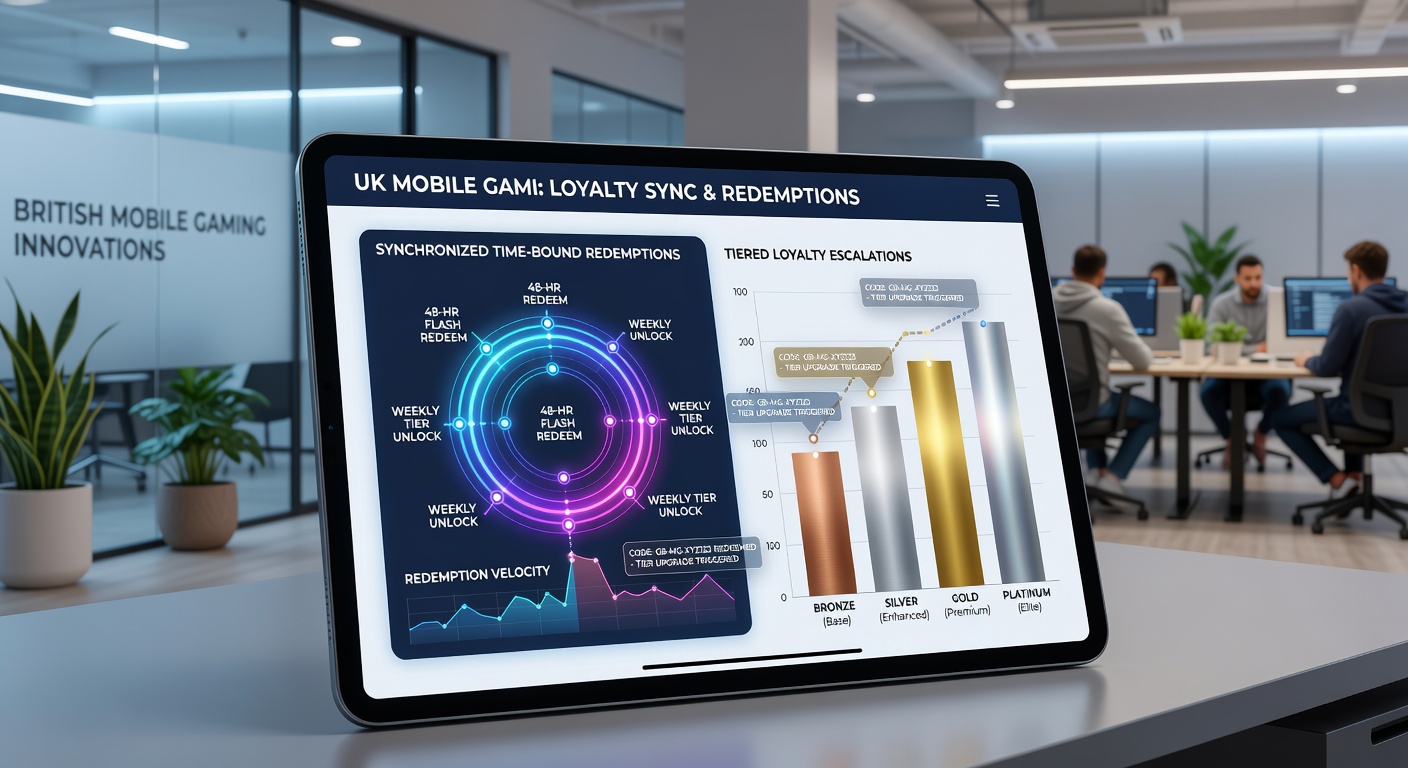
External reporting from the European Gaming Association indicates that portals incorporating these linked systems experienced measurable improvements in code utilization efficiency during the first quarter of 2026 with further refinements scheduled for deployment in May 2026. These updates focus on refining predictive algorithms that anticipate player tier movements and pre-issue time-bound codes calibrated to match expected escalation dates.
Regulatory and Technical Considerations in Practice
Compliance frameworks require transparent documentation of how time restrictions interact with tier benefits to ensure players receive accurate information about eligibility windows and reward calculations. Portal operators maintain audit logs that record every code redemption alongside the corresponding loyalty tier at the moment of activation allowing independent verification of system integrity. Technical teams employ encryption standards and multi-factor authentication during code entry to protect against unauthorized access while preserving the time-sensitive nature of each offer.
Canadian regulatory analyses from provincial gaming authorities have examined similar synchronization models and found that clear communication of expiration mechanics combined with tier visibility reduces player disputes and supports smoother operational flows. British implementations incorporate comparable transparency measures through in-app notifications that display both remaining code time and progress toward the subsequent loyalty level.
Future Developments and System Refinements
Industry reports project continued evolution of these synchronized frameworks with emerging features such as dynamic code generation that adjusts validity periods based on real-time tier velocity and cross-game activity patterns. Integration with wearable devices and push notification systems allows portals to alert players when a time-bound code approaches expiration at the same moment their loyalty metrics near a tier upgrade. Such refinements aim to maintain engagement without overwhelming users with separate tracking requirements for codes and status levels.
Conclusion
British mobile gaming portals demonstrate sophisticated coordination between time-bound code redemptions and tiered loyalty escalations through integrated databases, automated validations, and real-time updates that align promotional opportunities with player progression. These mechanisms rely on precise timestamp management, metric tracking, and compliance logging to function effectively across multiple devices and user sessions. As platforms prepare additional enhancements slated for May 2026 the focus remains on maintaining accurate synchronization that supports consistent reward delivery while adapting to evolving player behaviors and technical standards observed in comparable international markets.