Time-Sensitive Offer Windows and Their Role in Player Progression Within Licensed Gaming Platforms
Written by Dana Reed · Jun 10, 2026
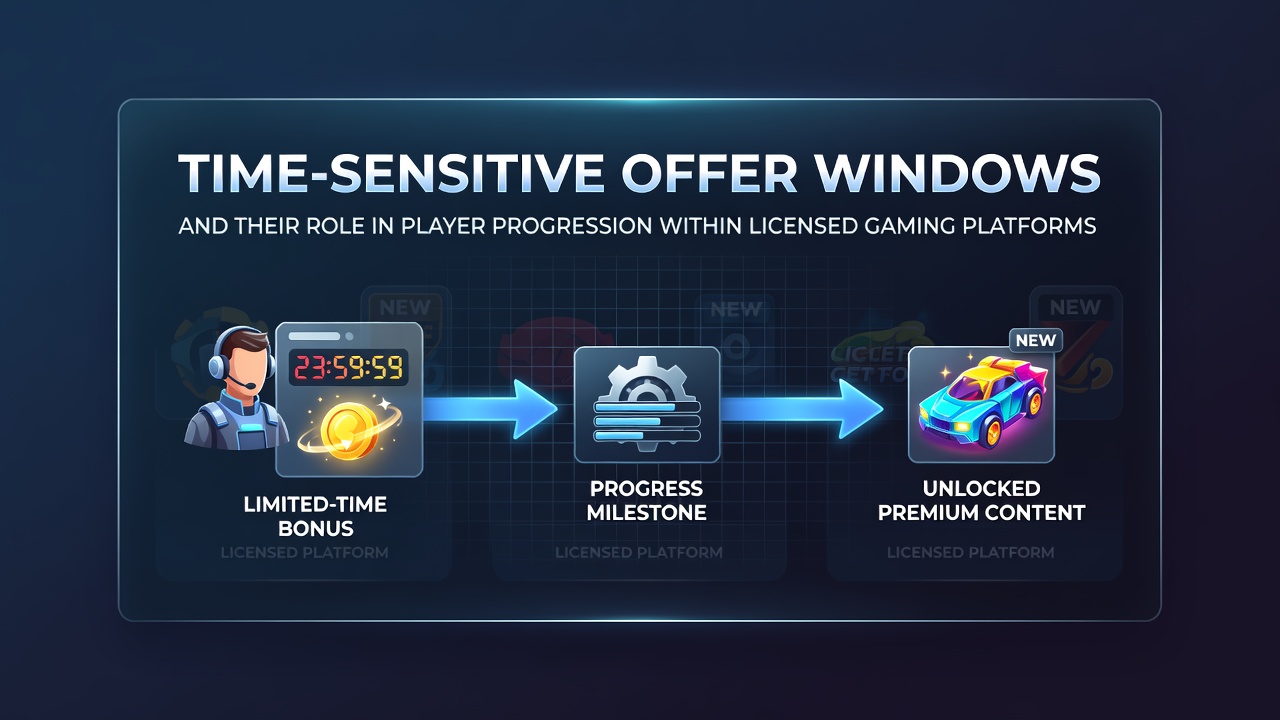
Time-Sensitive Offer Windows and Their Role in Player Progression Within Licensed Gaming Platforms
Time-sensitive offer windows operate as defined intervals in licensed gaming platforms where particular challenges, tasks, and advancement opportunities activate for limited durations, and these intervals shape the pathways players follow as they accumulate experience points, unlock tiers, and complete structured progression milestones. Platforms implement these windows through automated scheduling systems that reset daily, weekly, or seasonally, creating predictable yet constrained opportunities for players to advance their accounts without relying on perpetual availability.
Mechanics of Time-Sensitive Windows in Licensed Environments
Operators configure time-sensitive windows around core progression elements such as achievement trackers, level-up sequences, and feature unlocks, while regulatory frameworks in multiple jurisdictions require clear disclosure of start and end times to maintain transparency. Data collected across North American and European platforms shows these windows typically span between four and seventy-two hours, with shorter durations correlating to higher immediate engagement rates according to reports from the Nevada Gaming Control Board. Players receive notifications through platform interfaces, and the windows tie directly into account metrics like total playtime accumulated or specific activity thresholds met within the active period.
Research from academic institutions, including studies conducted at the University of Nevada, Las Vegas, demonstrates that players who participate in multiple overlapping windows often experience accelerated tier advancement compared to those engaging only during open-ended periods. The structure encourages sequential completion of linked tasks, where finishing one objective within the window unlocks subsequent challenges that feed into broader progression trees.
Integration with Player Advancement Systems
Licensed platforms embed time-sensitive windows into progression architectures by linking them to experience multipliers, badge collections, and status escalations that persist beyond the window itself. For instance, completing a series of timed objectives during a window grants permanent account upgrades such as increased storage for in-game assets or access to exclusive modes. Observers note that this design creates momentum, as early participation compounds advantages that influence later stages of the player journey.
Platforms track progression velocity through internal analytics, revealing patterns where time-bound activities contribute disproportionately to monthly advancement goals. In June 2026, updated reporting standards across several regulatory regions began requiring operators to log window-specific progression data separately from general activity metrics, providing clearer visibility into how these intervals drive long-term account development. Those who monitor these systems observe that players who strategically align their participation across consecutive windows achieve higher cumulative progression scores, measured through standardized leveling frameworks.
Behavioral Patterns and Retention Data
Studies compiled by industry research groups indicate time-sensitive windows influence session frequency and duration, with players returning more consistently when windows align with personal schedules. European gaming associations have documented cases where platforms using staggered windows across different time zones maintain steadier progression rates among international user bases. The windows function alongside standard account features, guiding players toward balanced engagement rather than isolated bursts.
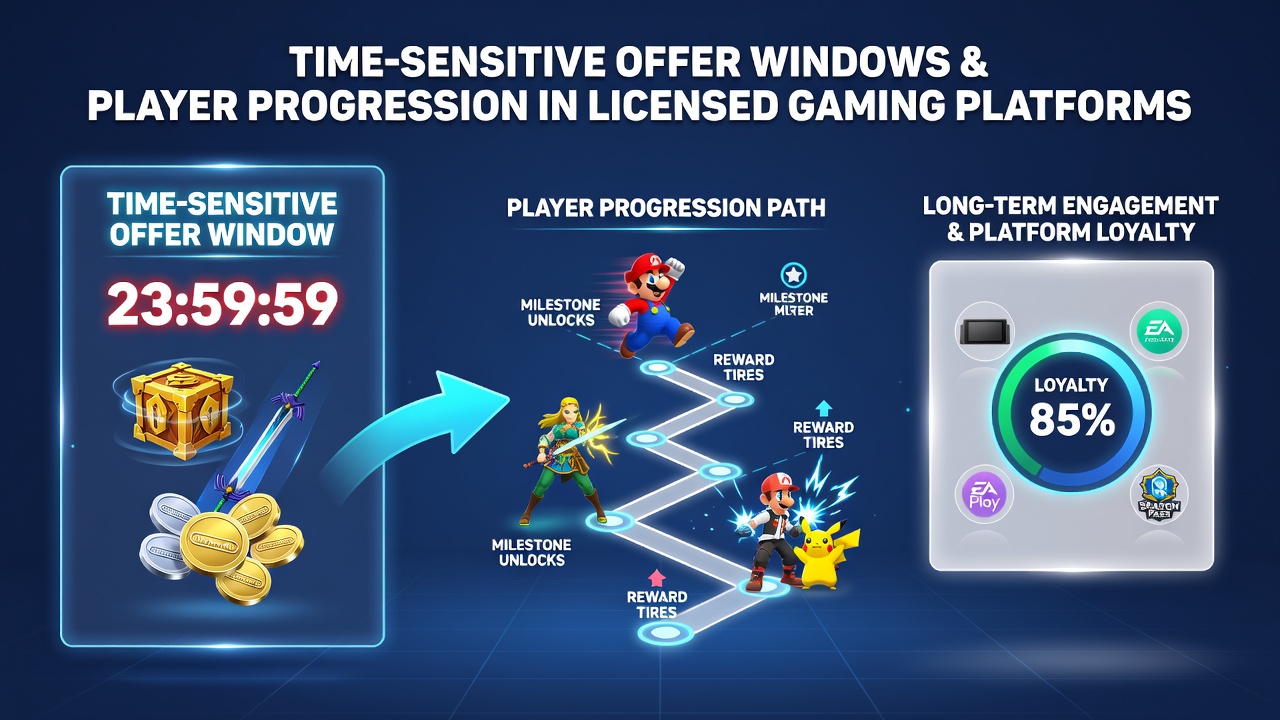
Figures released by the Australian Communications and Media Authority highlight that platforms incorporating these windows report measurable increases in milestone completion rates, particularly among mid-tier accounts transitioning to advanced levels. Data shows the effect compounds when windows recur on predictable cycles, allowing players to plan participation and integrate the activities into regular routines. Researchers have identified correlations between window participation and reduced account dormancy periods, as the recurring structure provides recurring touchpoints that sustain momentum through the progression system.
Regulatory Oversight and Platform Compliance
Regulatory bodies across regions enforce rules governing the visibility and fairness of time-sensitive windows, requiring operators to maintain consistent rules and prevent artificial barriers that could stall player advancement. Canadian provincial regulators, for example, mandate that all window parameters appear in accessible formats, ensuring players understand how participation contributes to overall account progression. Compliance teams within platforms integrate these requirements into system design, using timestamp verification and audit trails to confirm that progression rewards distribute accurately once windows close.
Industry organizations such as the European Gaming Association have published guidelines encouraging operators to calibrate window lengths based on player feedback data, which helps maintain equitable access across different user demographics. These standards promote transparency without restricting the creative application of windows within progression frameworks.
Conclusion
Time-sensitive offer windows serve as structured components within licensed gaming platforms that directly modulate how players navigate advancement systems, accumulate measurable progress, and interact with recurring opportunities. Evidence from regulatory reports, academic research, and industry data collections confirms their integration shapes session patterns and milestone achievement across diverse user groups. As platforms continue refining these mechanisms under evolving oversight standards, the windows remain central to the operational design of player progression pathways.